
OASIS
LEO
Category
Space Architecture
Expertise
Orbital & Planetary Infrastructure Concepts
Interior Architecture for Space Systems
Prototyping, Simulation & Testing
Visualization, Communication & Design Research
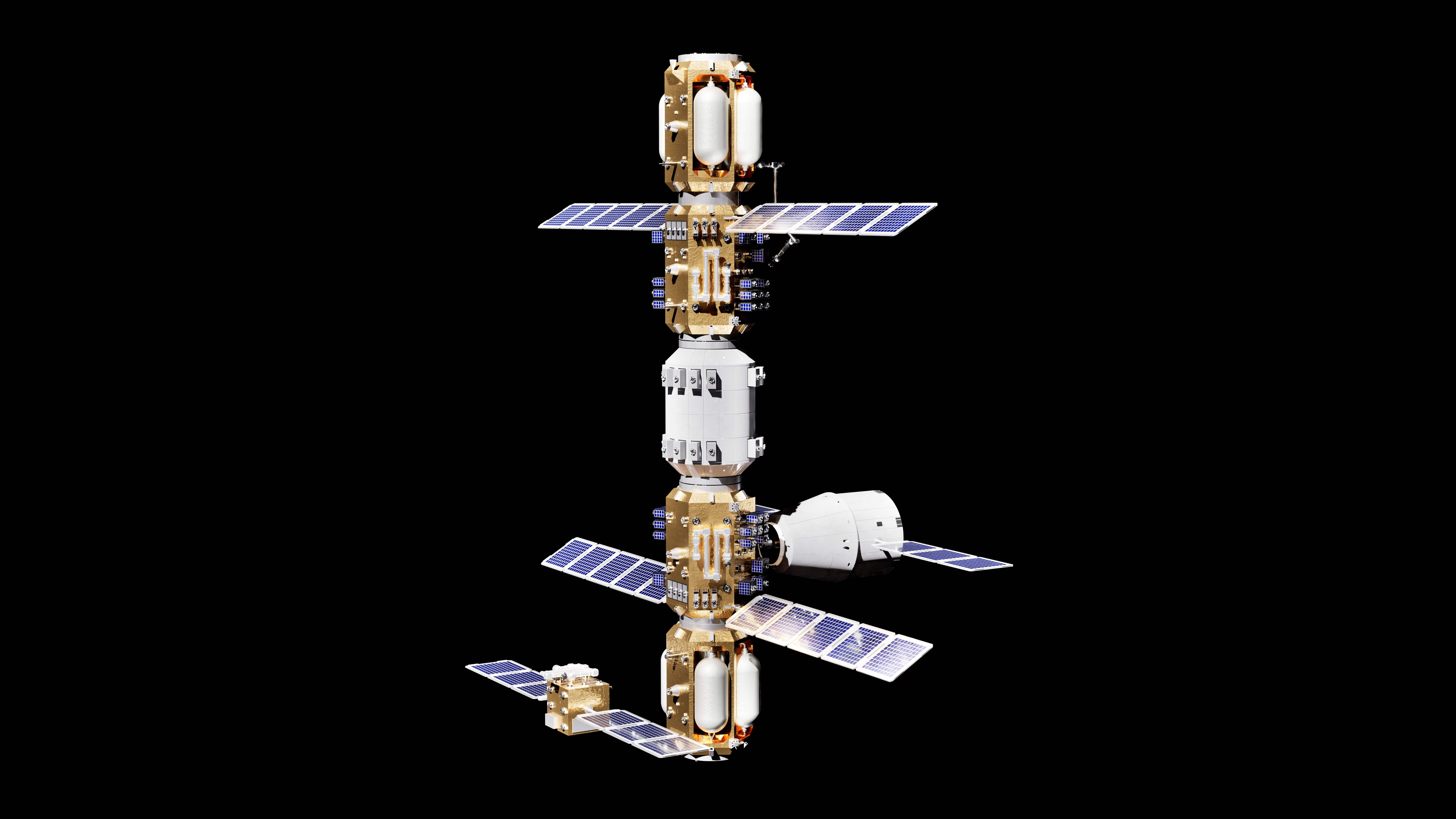
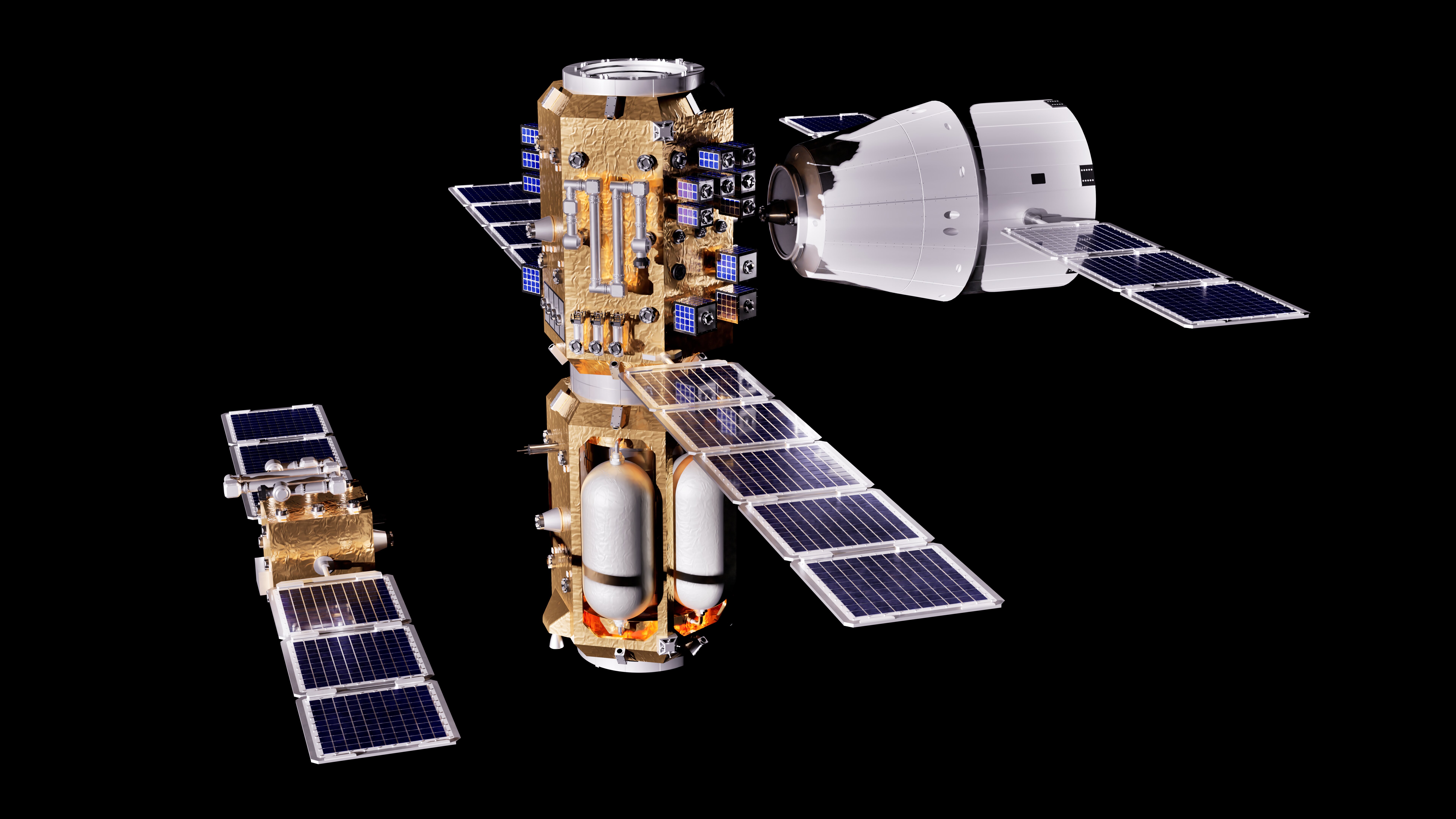
OASIS is a fully robotic orbital spaceport developed by ALATYR, conceived as critical next-generation infrastructure to enable autonomous in-orbit operations and the expansion of data and energy computation beyond Earth.
OASIS is a fully robotic orbital spaceport developed by ALATYR, conceived as critical next-generation infrastructure to enable autonomous in-orbit operations and the expansion of data and energy computation beyond Earth.
Category
Space Architecture
Expertise
Orbital & Planetary Infrastructure Concepts
Interior Architecture for Space Systems
Prototyping, Simulation & Testing
Visualization, Communication & Design Research
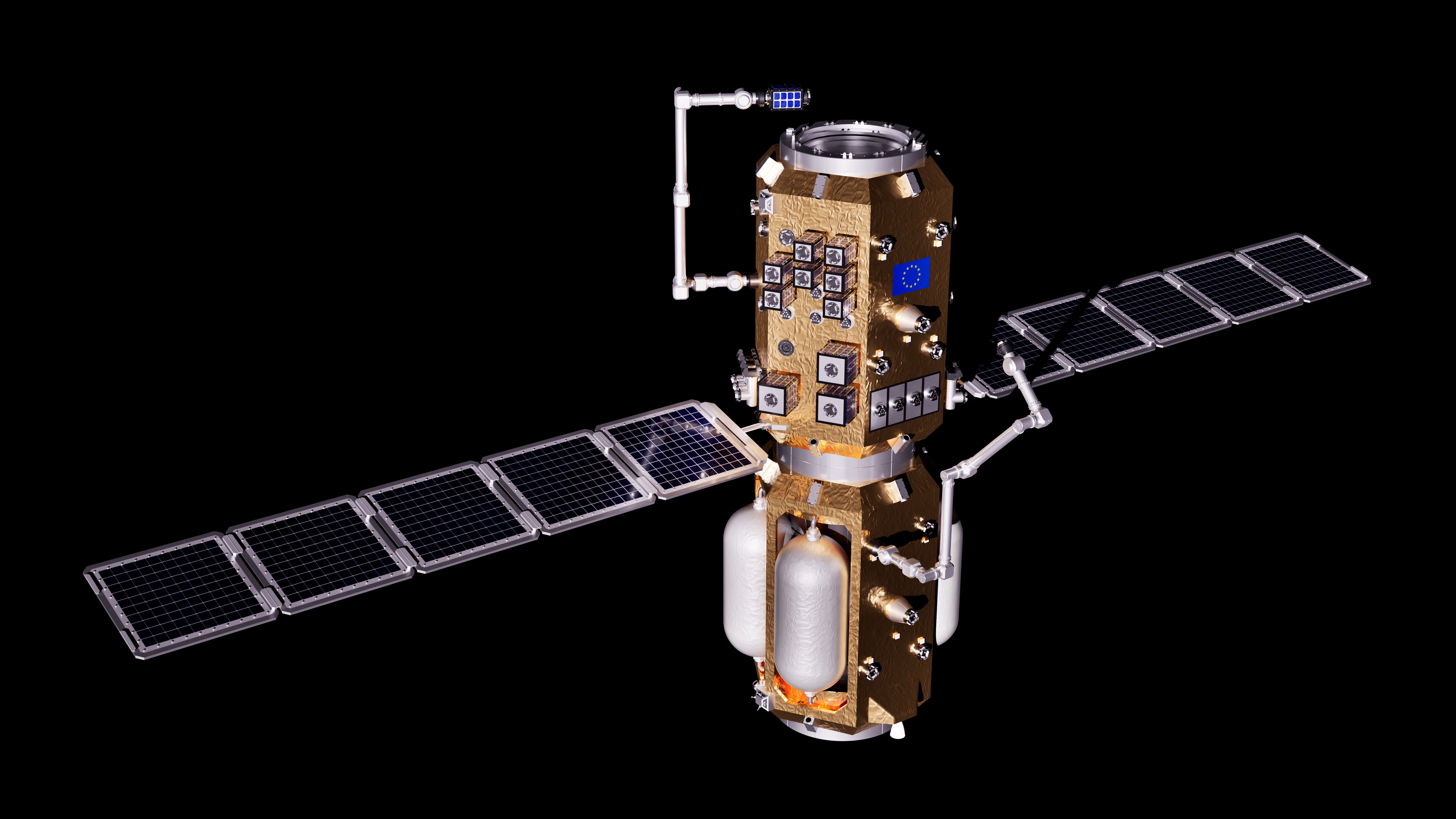
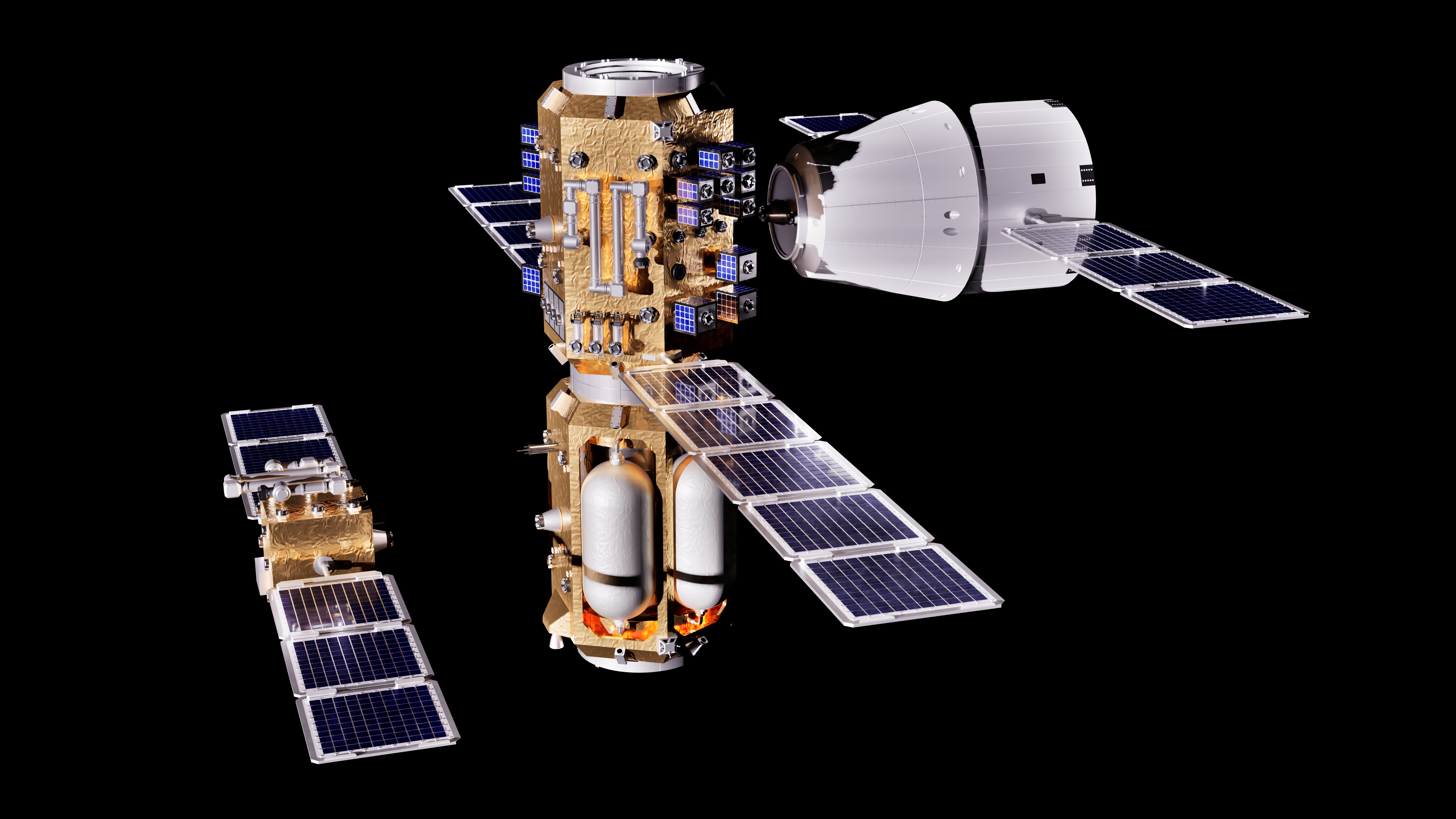
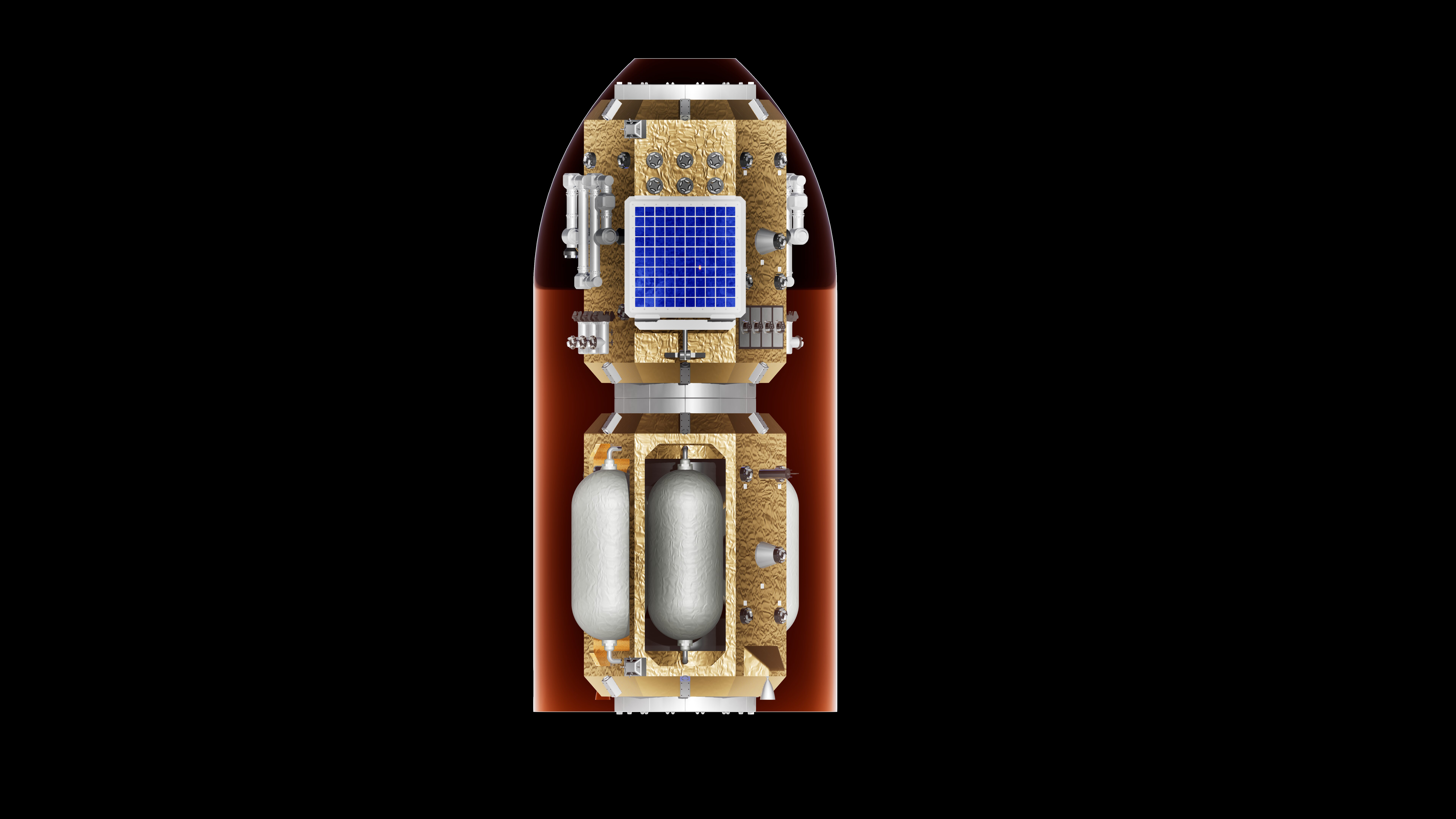
ALATYR’s OASIS represents a bold vision for the future of orbital infrastructure — a fully robotic orbital spaceport engineered to serve as a versatile hub for spacecraft operations, payload hosting, and in-space services. Unlike traditional space stations dependent on crewed missions, OASIS is designed to operate autonomously, enabling routine docking, refueling, maintenance, and payload processing without human presence onboard. Its modular architecture allows for progressive expansion and the integration of mission-specific modules — from microgravity research labs to in-orbit manufacturing and space-based data centers — making it adaptable to a wide range of commercial and scientific uses.
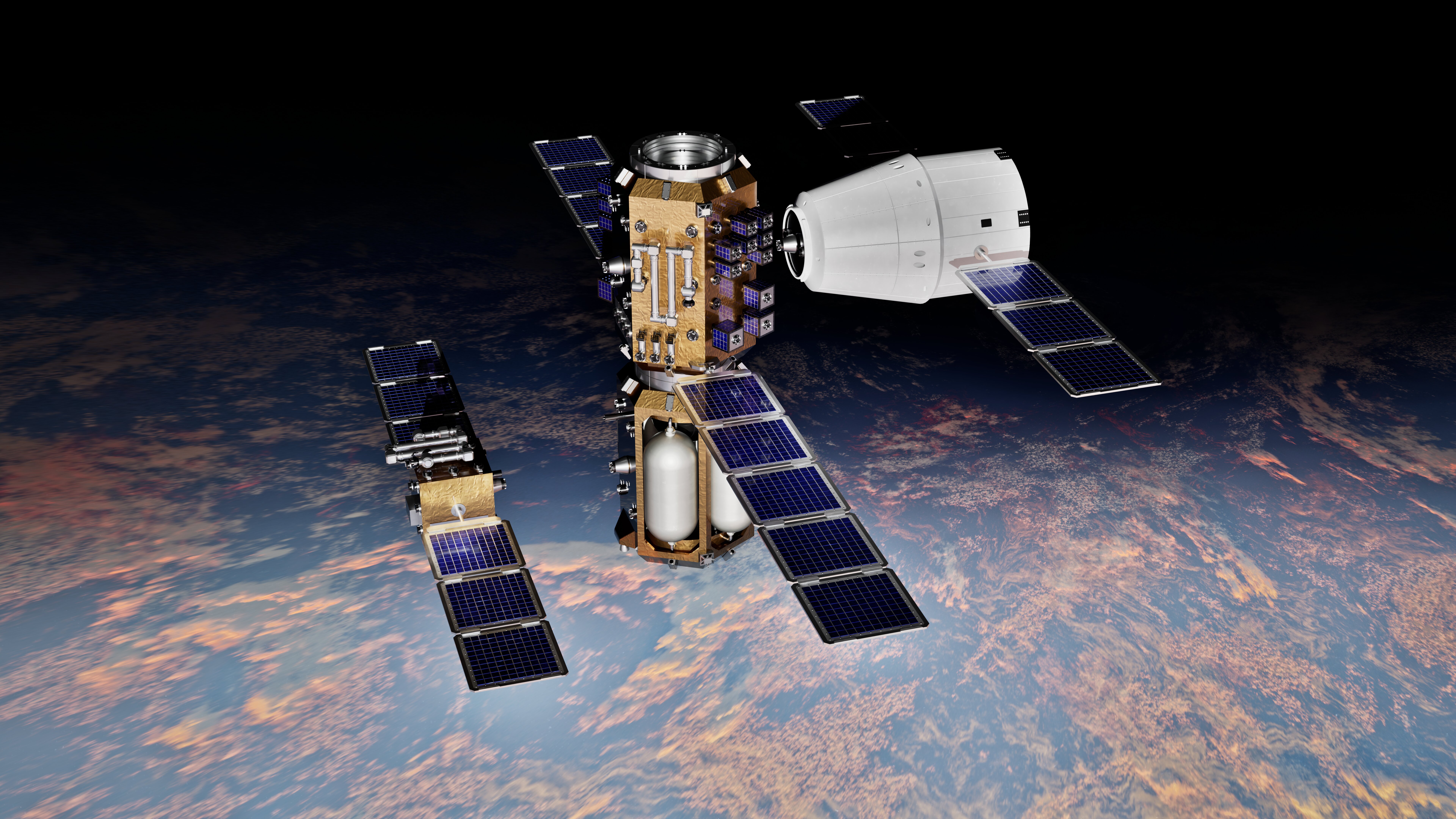
A core aspect of OASIS is its role as critical infrastructure for the emerging orbital economy. By providing standardized interfaces and services, the spaceport aims to lower barriers to entry for space operators and enable sustained orbital activity beyond episodic missions. This capability is increasingly important as demand for in-orbit services — such as satellite servicing, data processing, and logistics — grows alongside proliferation of spacecraft and constellations. OASIS is positioned to be a key node in that ecosystem, offering capabilities that could support both industry and research communities on a continuous and scalable basis.
“Working on OASIS has been a great experience—the team clearly understood our vision and helped turn a complex idea into a clear, scalable orbital platform for the future of space operations.”
— Client Testimonial
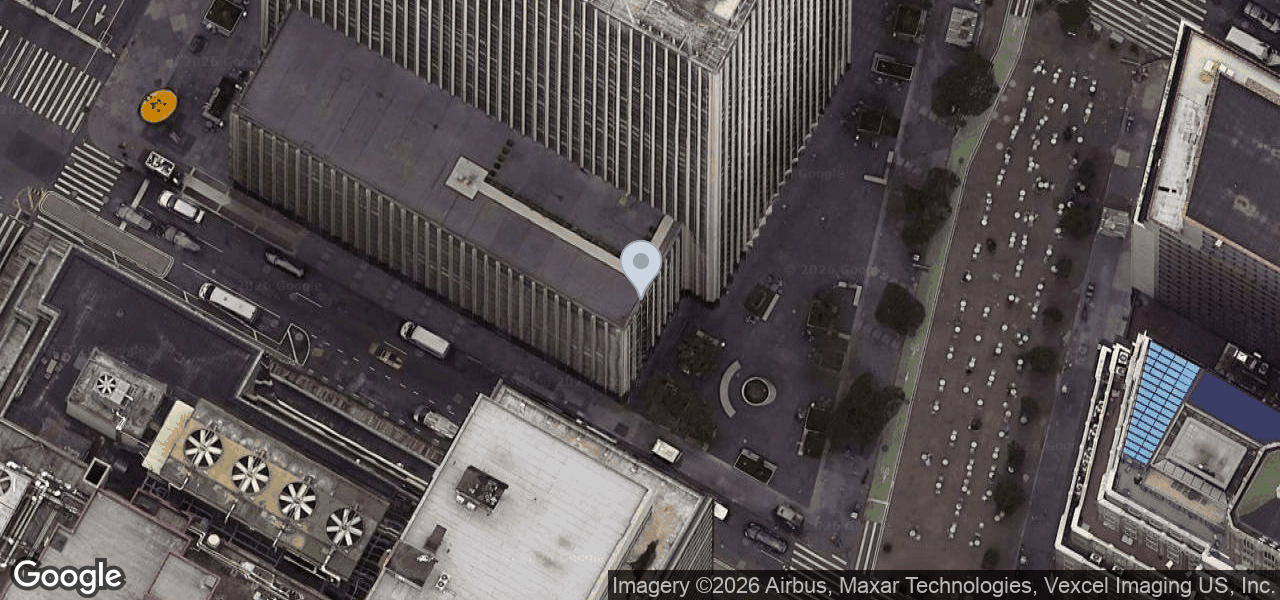
Location:1411 Broadway New York, NY 10018
Beyond its physical infrastructure, OASIS embodies ALATYR’s broader strategic outlook on orbital computing and data infrastructure. The company advocates moving energy-intensive computing — such as large-scale AI workloads — into space where abundant solar energy and low latency internal networking can unlock new capabilities. Orbital data centers hosted on platforms like OASIS could help realize this vision, supporting applications that would be difficult or inefficient to run solely on Earth.
Ultimately, OASIS aims to be more than a single station: it’s conceived as a building block of a sovereign, sustainable space infrastructure that enables continuous, autonomous operations and fosters a vibrant orbital economy. By combining robotics, modularity, and international collaboration, the project seeks to reduce operational costs, increase service flexibility, and accelerate the pace at which space can be used for industry, science, and advanced computing.
OASIS is a fully autonomous, modular orbital spaceport designed to unlock a new era of in-orbit servicing, manufacturing, and space-based data and energy infrastructure.



Partner with us.
Join our team.
Newsletter
SOCIAL
PODCAST


SOCIAL
PODCAST
Daniel Inocente Architecture © 2026 | Terms | Privacy Policy