
Zhuhai S3 Tower.
Zhuhai, China
Category
Commercial
Expertise
Office & Workplace Design
Retail & Commercial Interiors
Flexible & Adaptive-Use Spaces
Building Systems & Code Coordination
Tenant Fit-Outs & Phased Development
Construction Documentation & Delivery
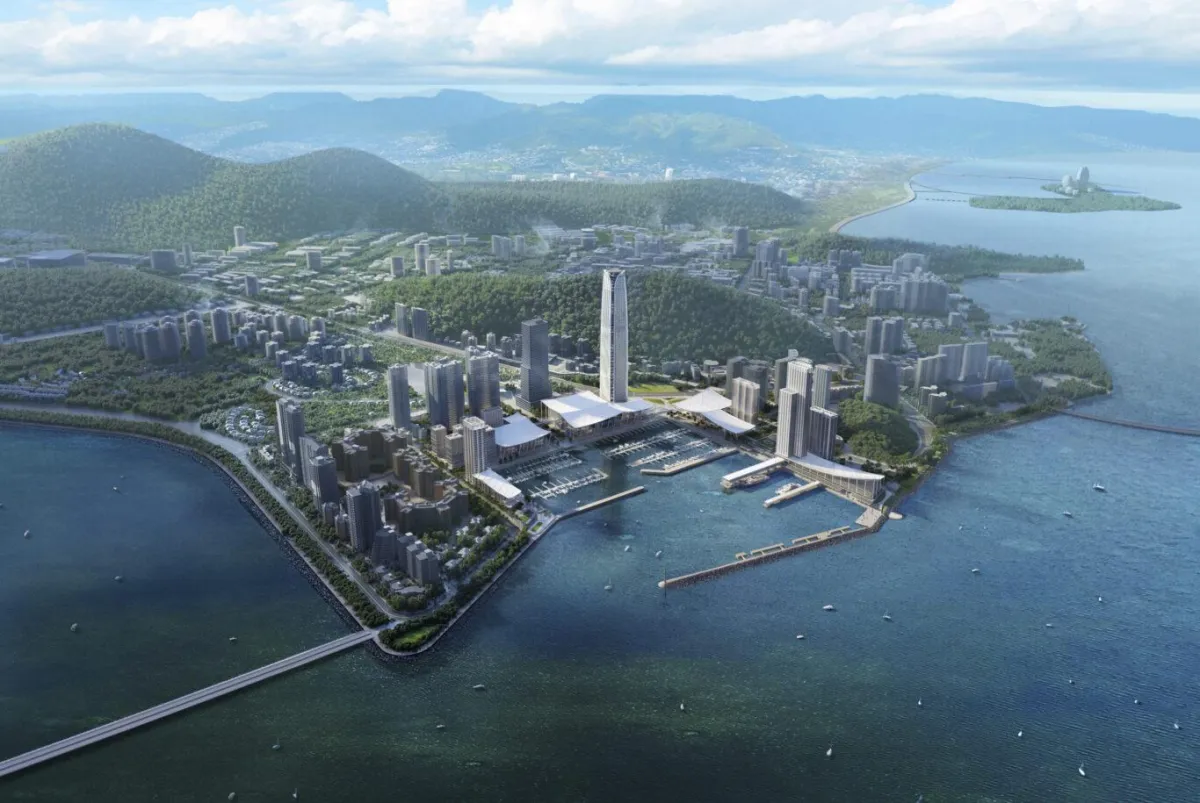
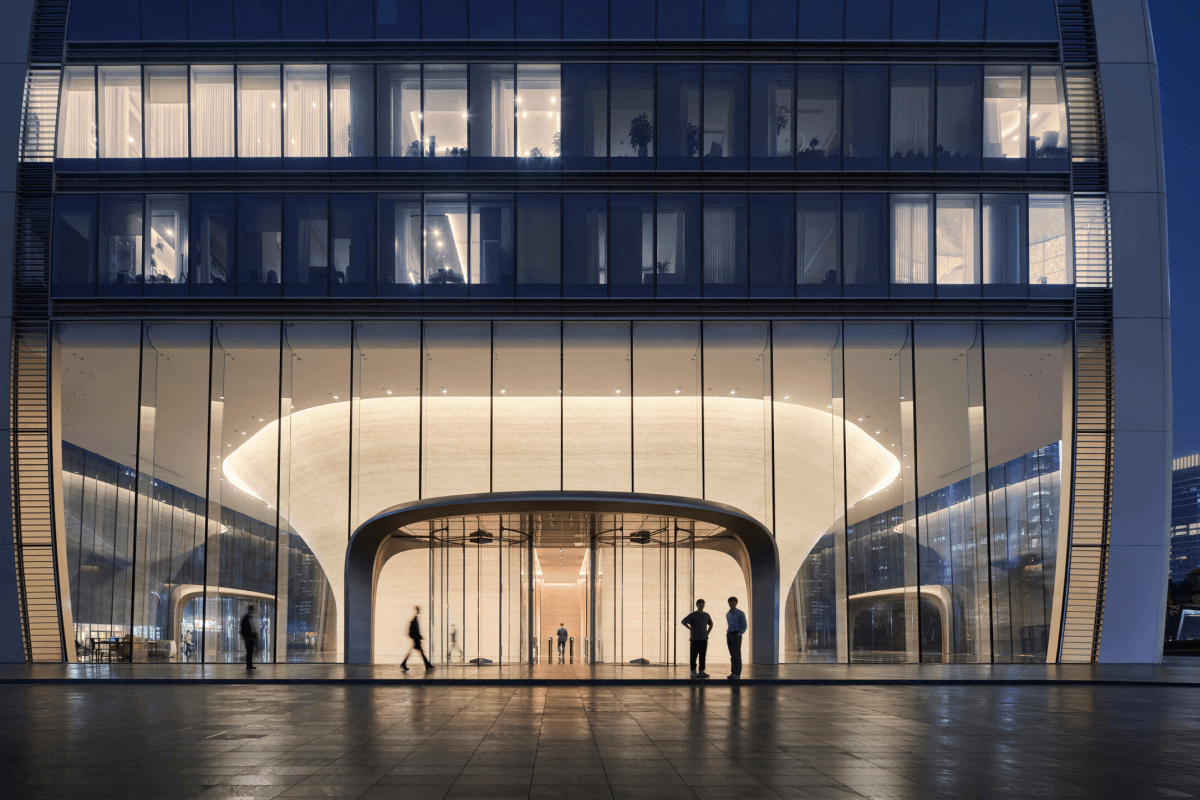
The Zhuhai S3 Tower is envisioned as a landmark for innovation and sustainability in one of China’s fastest-growing coastal cities.
The Zhuhai S3 Tower is envisioned as a landmark for innovation and sustainability in one of China’s fastest-growing coastal cities.
Category
Commercial
Expertise
Office & Workplace Design
Retail & Commercial Interiors
Flexible & Adaptive-Use Spaces
Building Systems & Code Coordination
Tenant Fit-Outs & Phased Development
Construction Documentation & Delivery
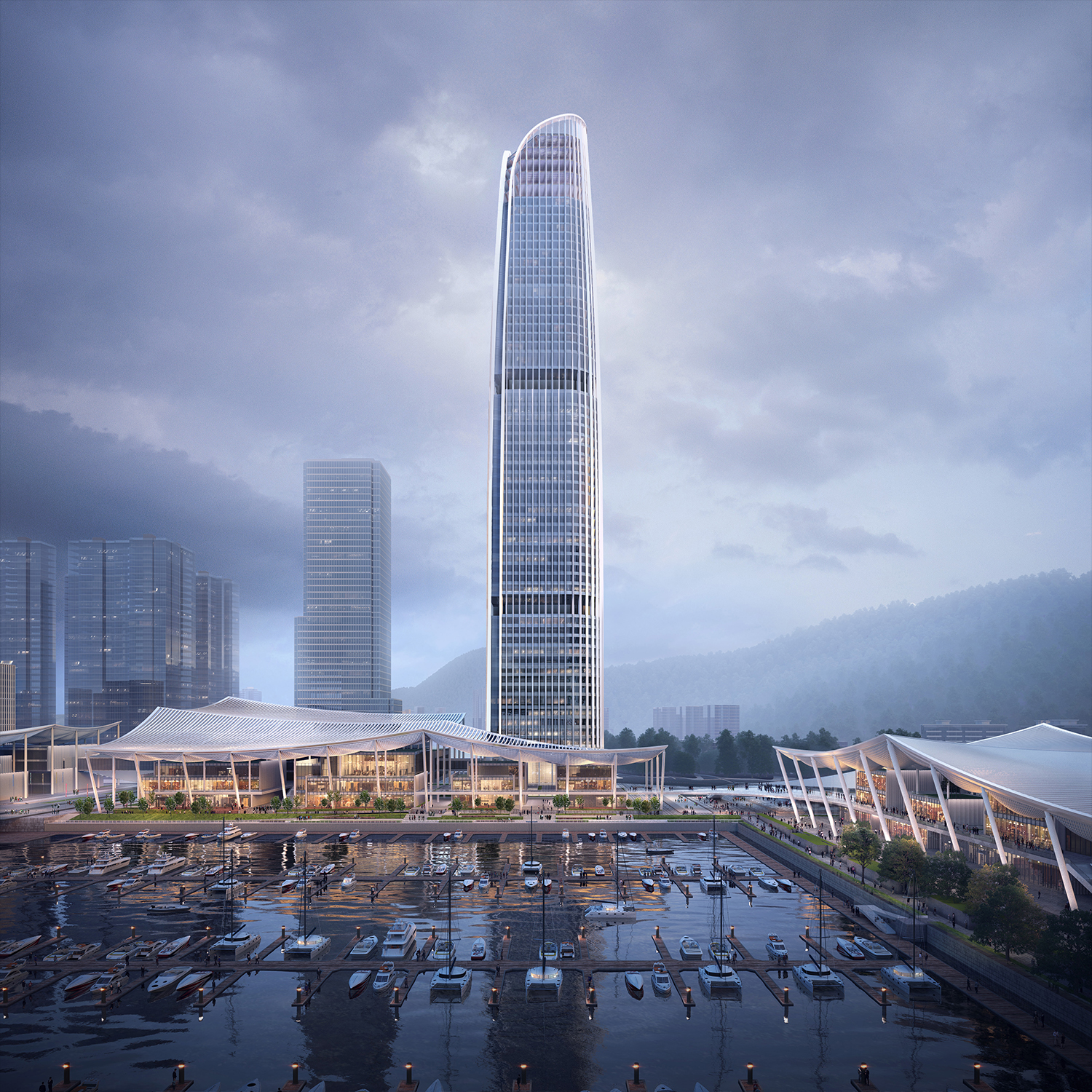
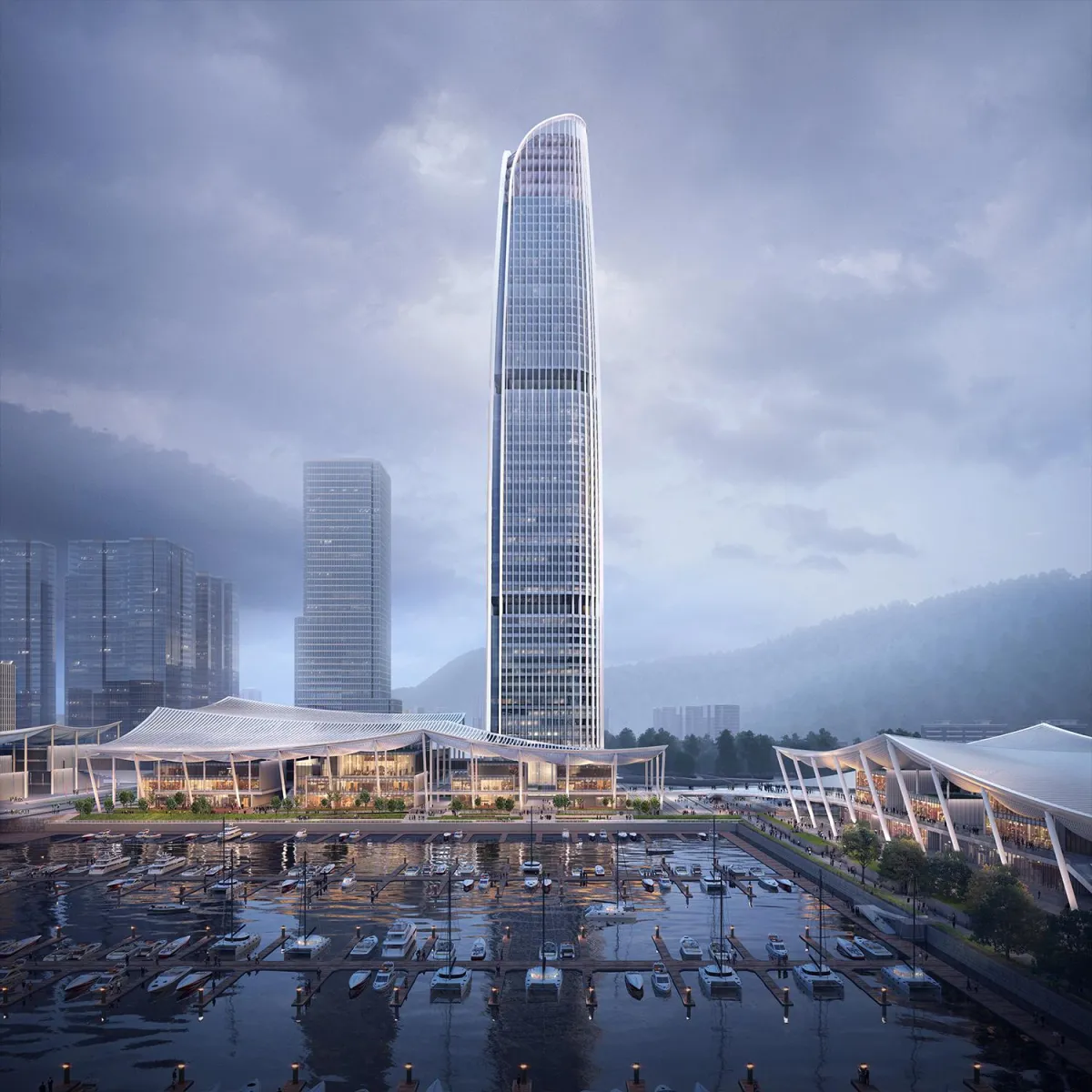
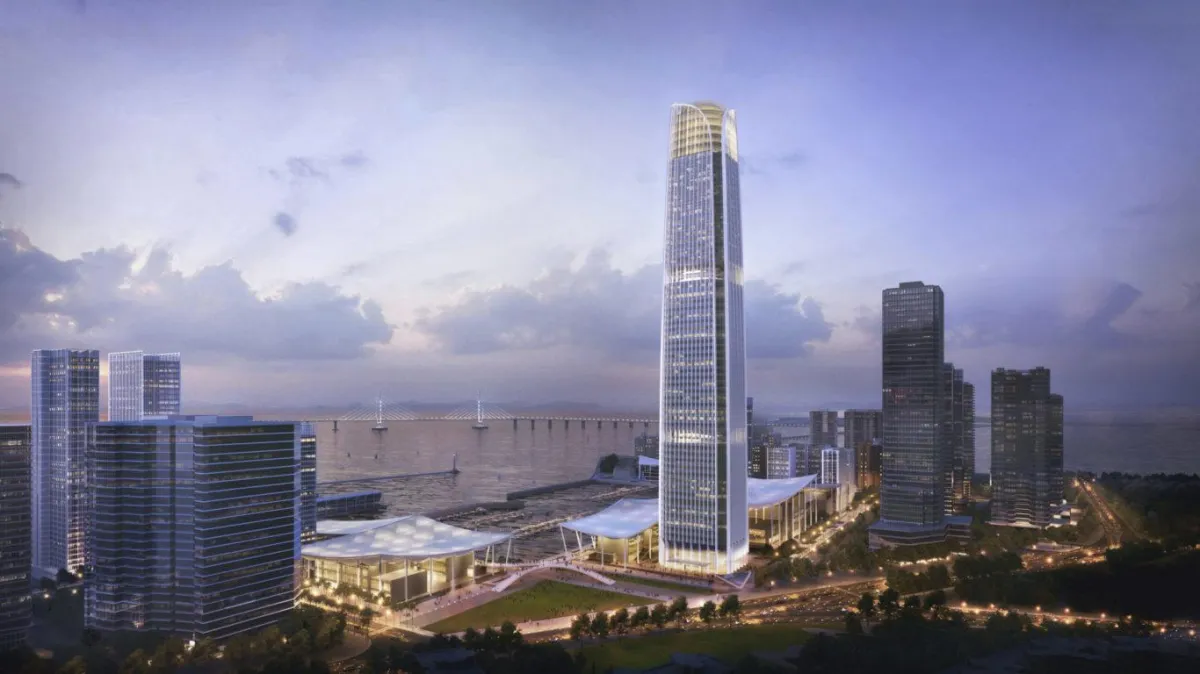
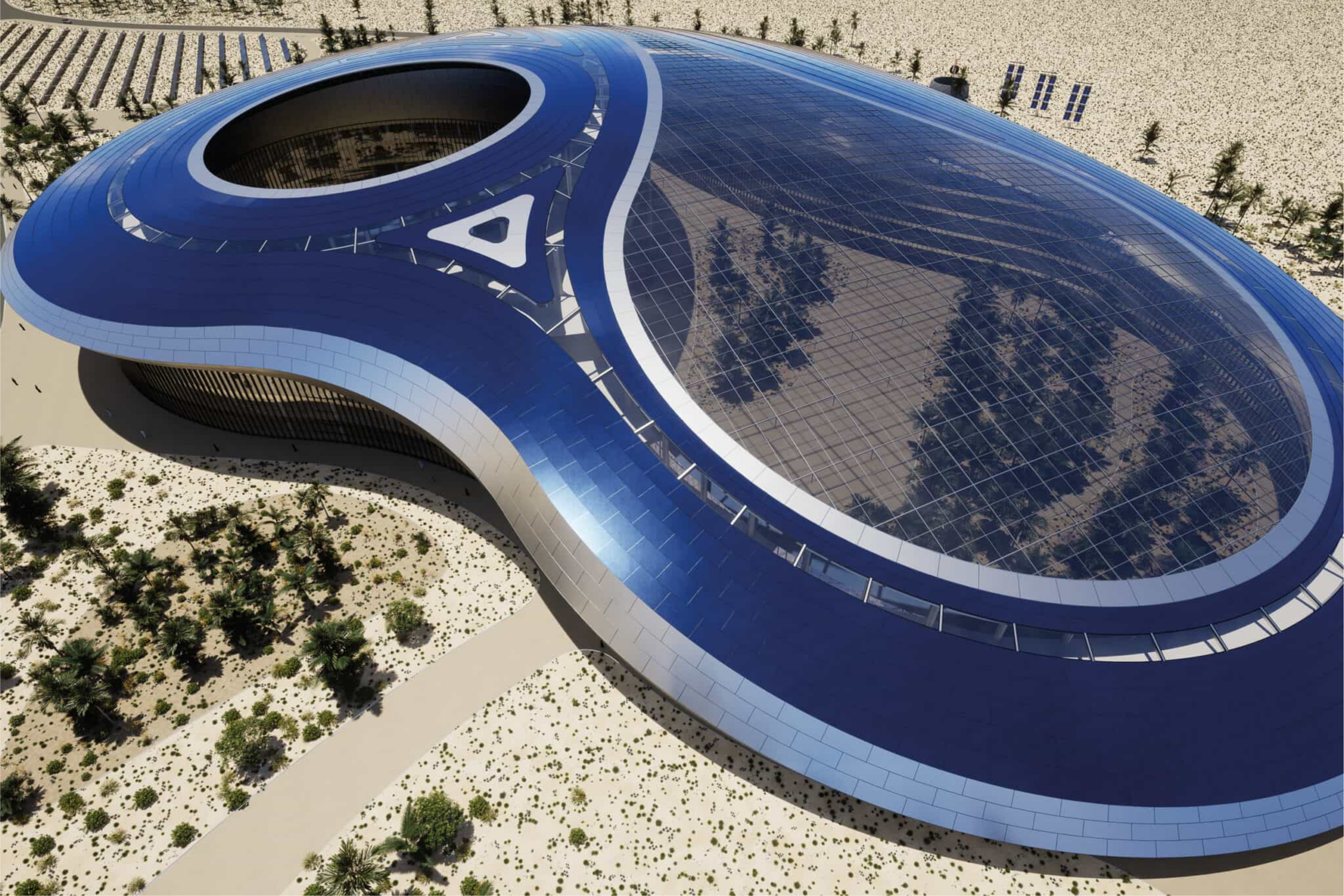
Its sleek, parametric form is not only visually striking but also designed to maximize efficiency and natural light. By integrating solar technology directly into the façade, the tower reduces its environmental impact while enhancing performance.
Inside, flexible office spaces and modern amenities create an environment that supports productivity, collaboration, and well-being. More than just a high-rise, the Zhuhai S3 Tower embodies the future of sustainable urban living and working.
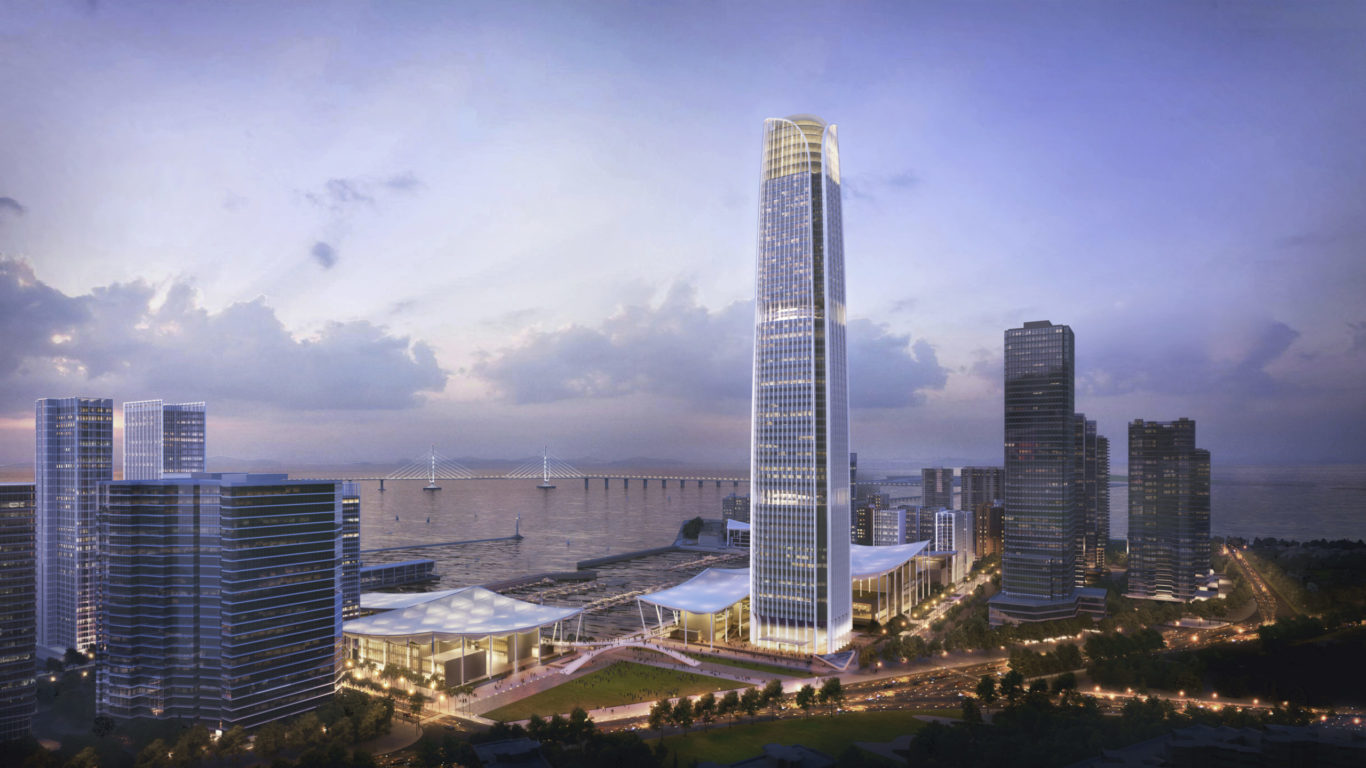
My role in this project began at the design development stage as a member of the core team to design, engineer, and document the landmark tower. My role and responsibilities are primarily focused on the design development of the facade and include parametric modeling of the exterior geometry, geometric optimization for fabrication, and design documentation. I worked with the design team to coordinate facade system constraints, materials, and identify potential solar energy technology integration. The uniqueness of the tower’s design challenged me to develop a highly detailed parametric model using Grasshopper that also served to coordinate the primary structure and interiors.
“Daniel Inocente Architecture brought clarity, creativity, and precision to our project. The result is a building that feels both timeless and perfectly suited to how we live.”
— Client Testimonial
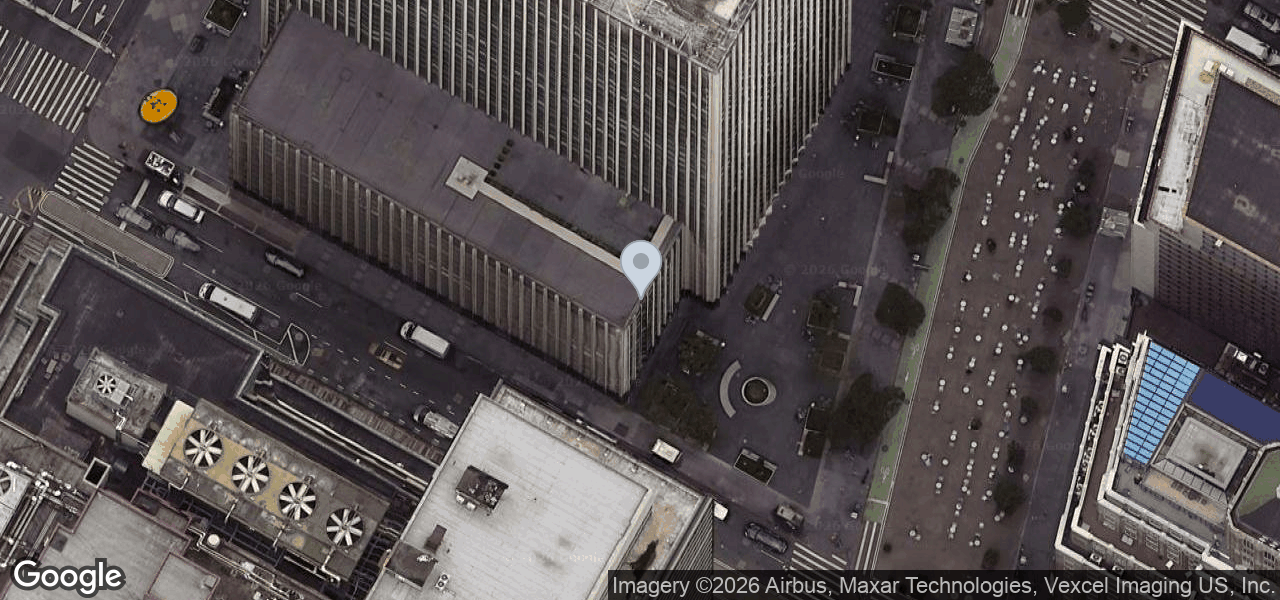
Location:1411 Broadway New York, NY 10018
Process
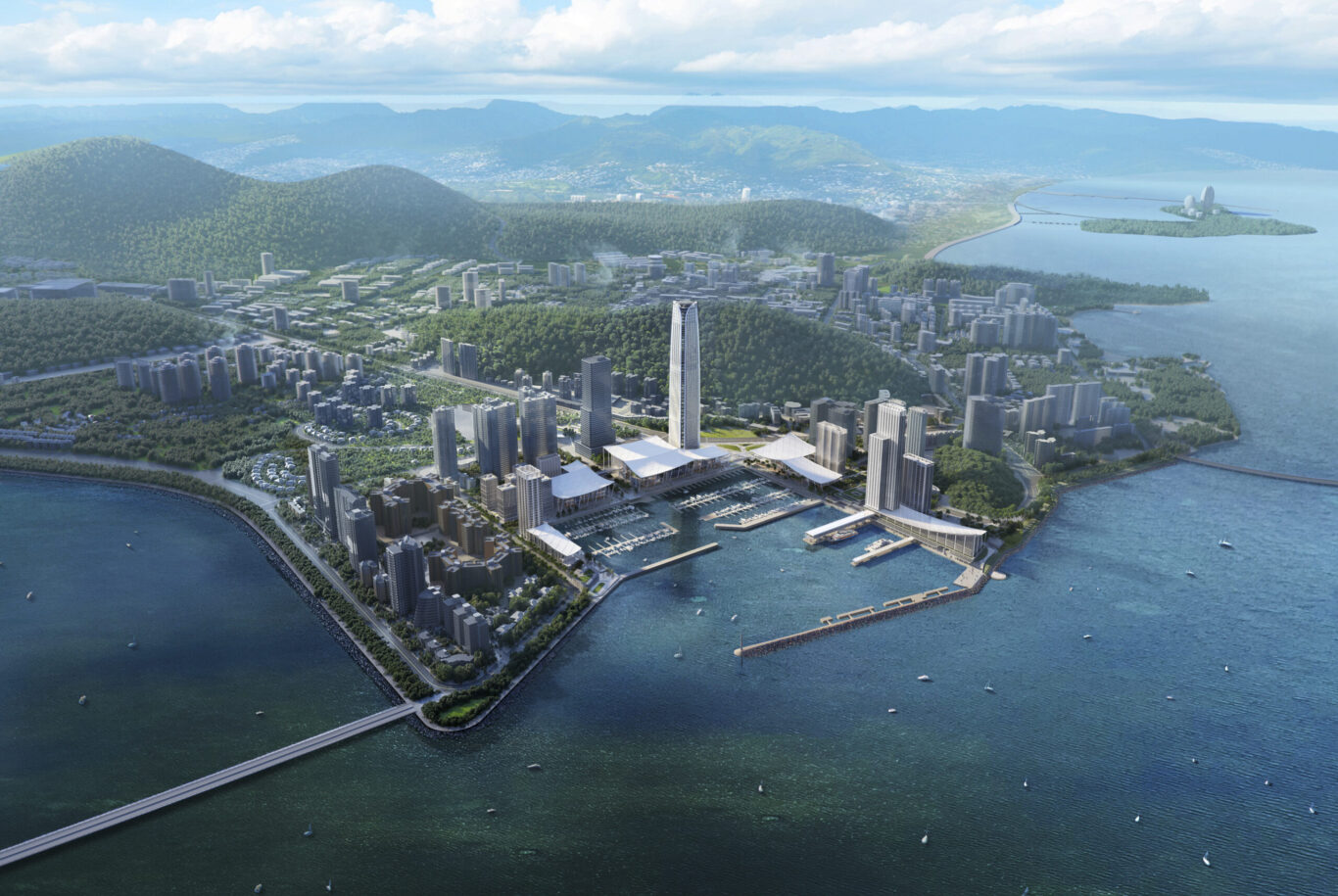
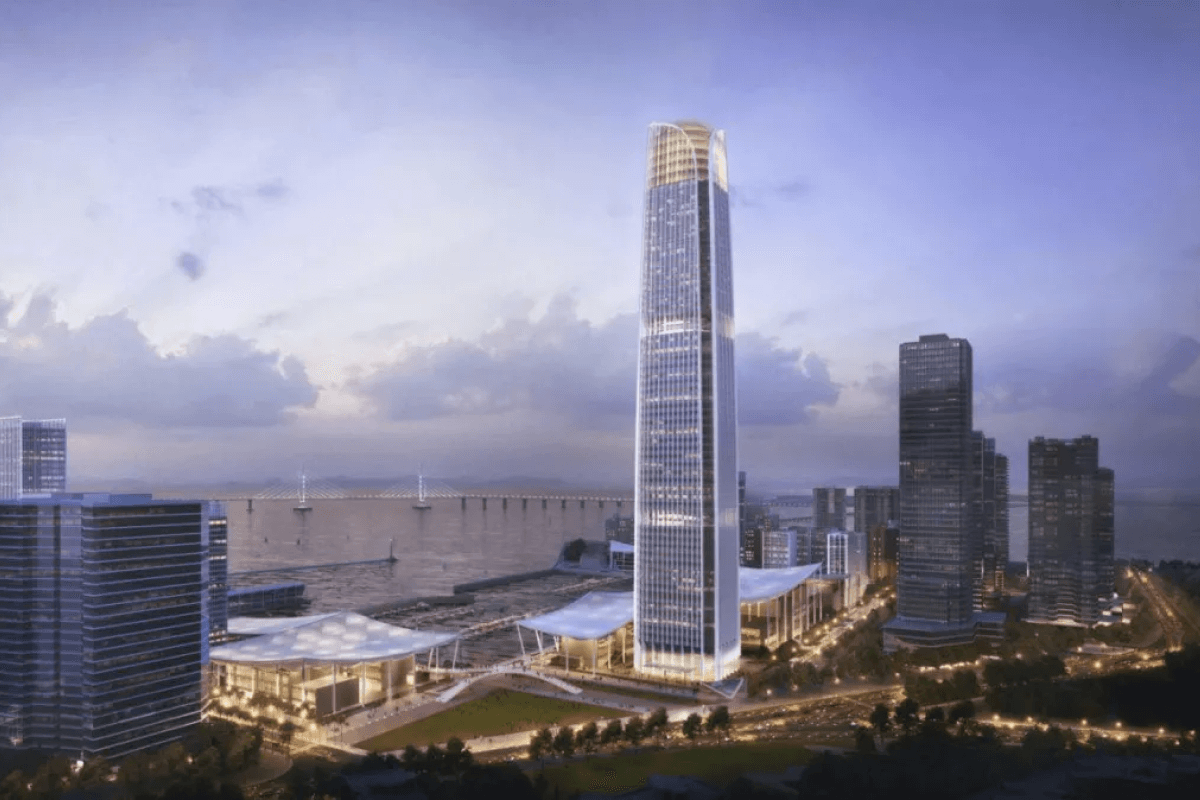
The project includes a supertall skyscraper that reaches a height of 318.5 meters with 65 levels of mixed-use program including office, hotel, and retail. The building’s form is characterized by a finely tuned geometry that is derived from a series of tangential vertical arcs and plan profile designed to optimize the distribution of load forces, maximize floor plate area, and decrease column spacing in response to programmatic and sustainable design requirements. The tower’s design included complex surface geometry that was addressed through a combination of computational modeling and analytical methods.
There was a significant effort made to improve constructability while maintaining the overall character of the architecture. The form of the tower tapers in both plan and section with softened corner edges to minimize wind-induced torsional loads. The curtain wall façade included a sawtooth type surface geometry where the vision glass is inclined, looking downward and the spandrel is declined, looking upward to maximize solar exposure to the spandrel and minimize heat gain.
A portion of the curtain wall geometry included complex surfaces, which were analyzed to identify optimal radii and best approximate the surfaces with cylindrical geometry.
Partner with us.
Join our team.
Newsletter
SOCIAL
PODCAST


SOCIAL
PODCAST
Daniel Inocente Architecture © 2026 | Terms | Privacy Policy