
Tour Charenton.
Charenton-le-Pont, France
Category
Mixed-Use
Expertise
Residential-Led Mixed-Use Developments
Retail, Commercial, and Community Ground Floors
Program Stacking & Circulation Strategies
Zoning, Use Groups & Regulatory Coordination
Building Systems & Life Safety Integration
Construction Documentation & Delivery
My role in this project began during the concept development phase, working closely with the core team in London, bringing together international knowledge and expertise in the design of skyscraper architecture.
My role in this project began during the concept development phase, working closely with the core team in London, bringing together international knowledge and expertise in the design of skyscraper architecture.
Category
Mixed-Use
Expertise
Residential-Led Mixed-Use Developments
Retail, Commercial, and Community Ground Floors
Program Stacking & Circulation Strategies
Zoning, Use Groups & Regulatory Coordination
Building Systems & Life Safety Integration
Construction Documentation & Delivery
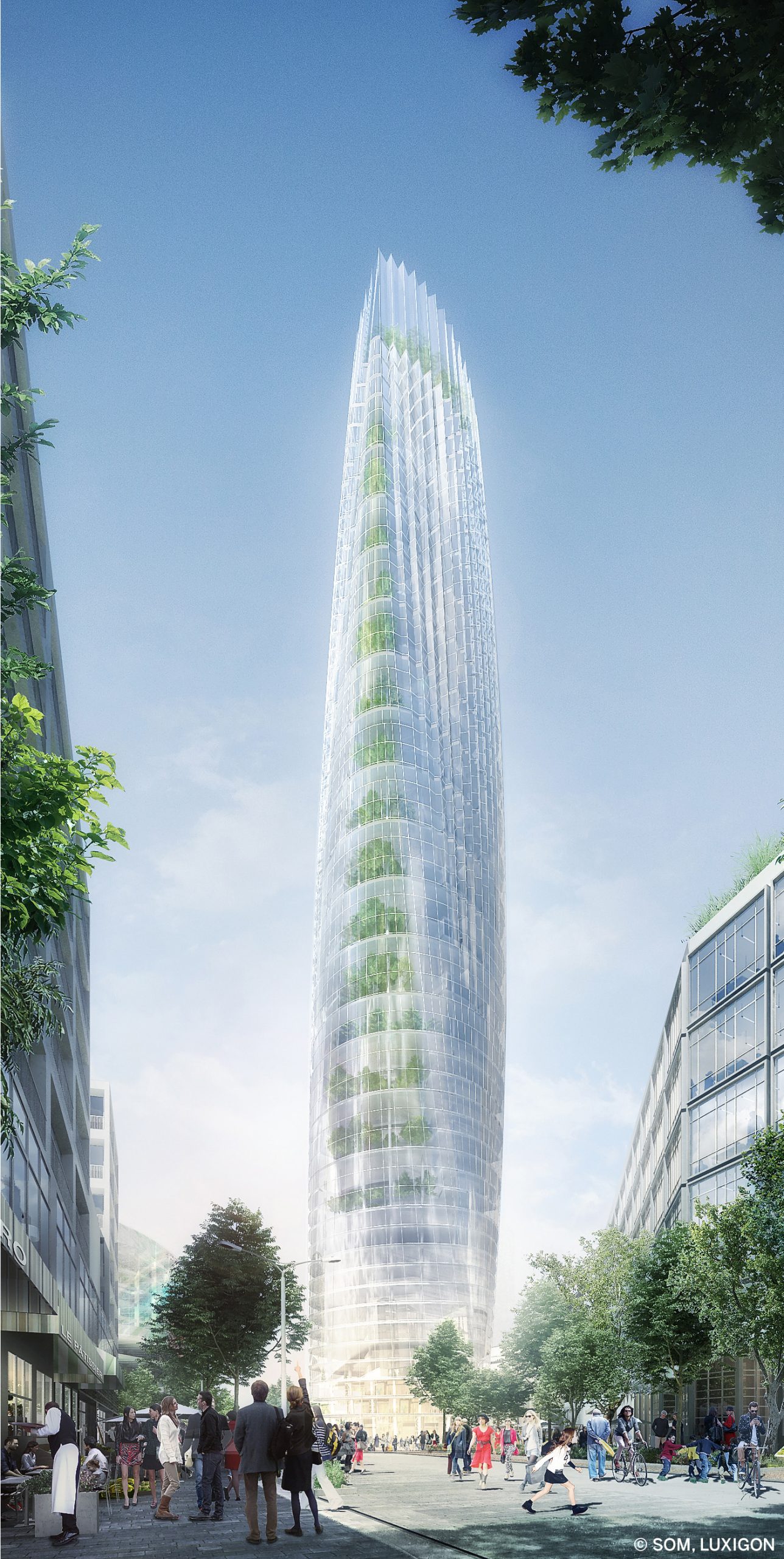
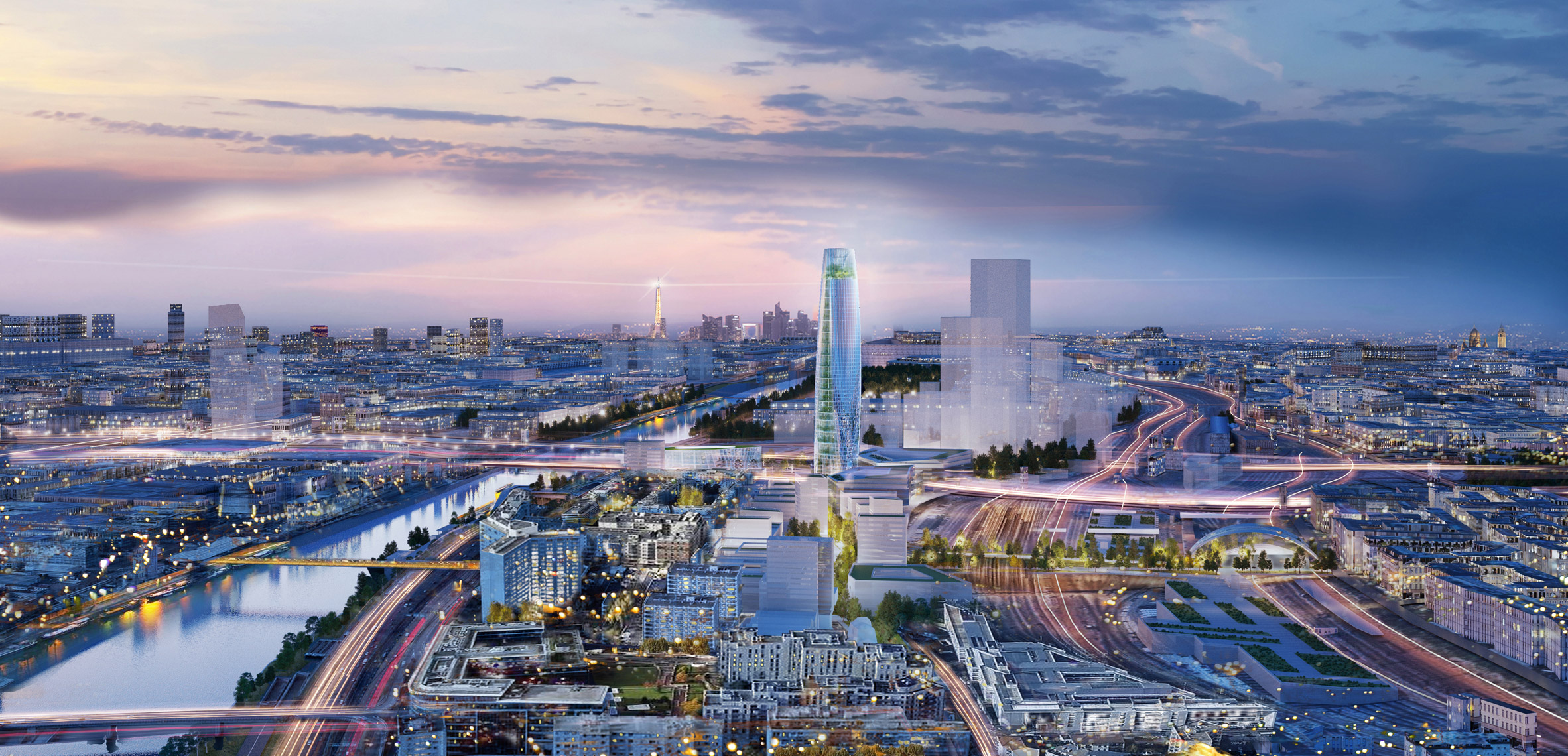
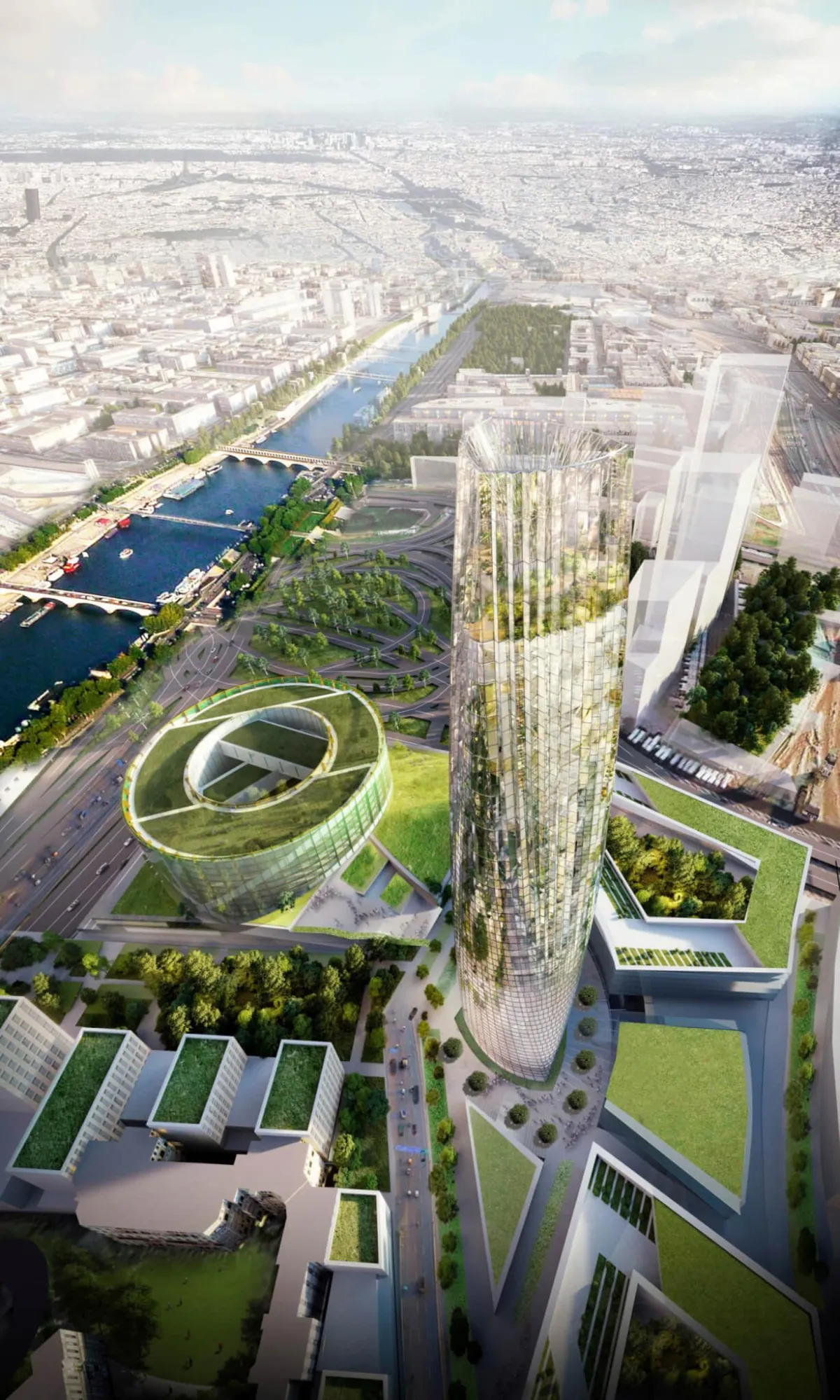
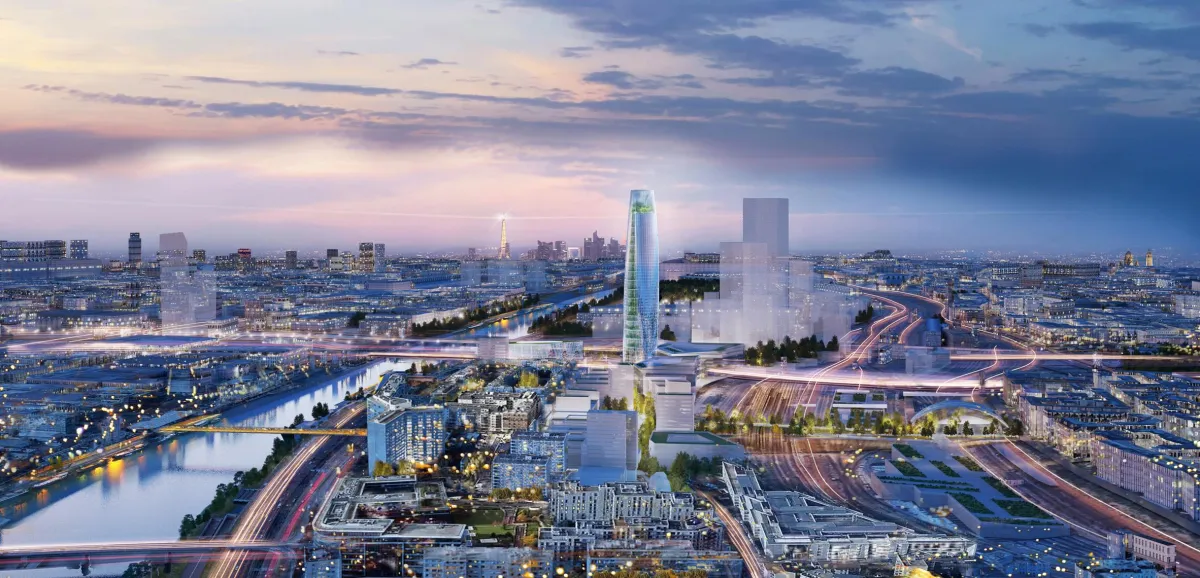
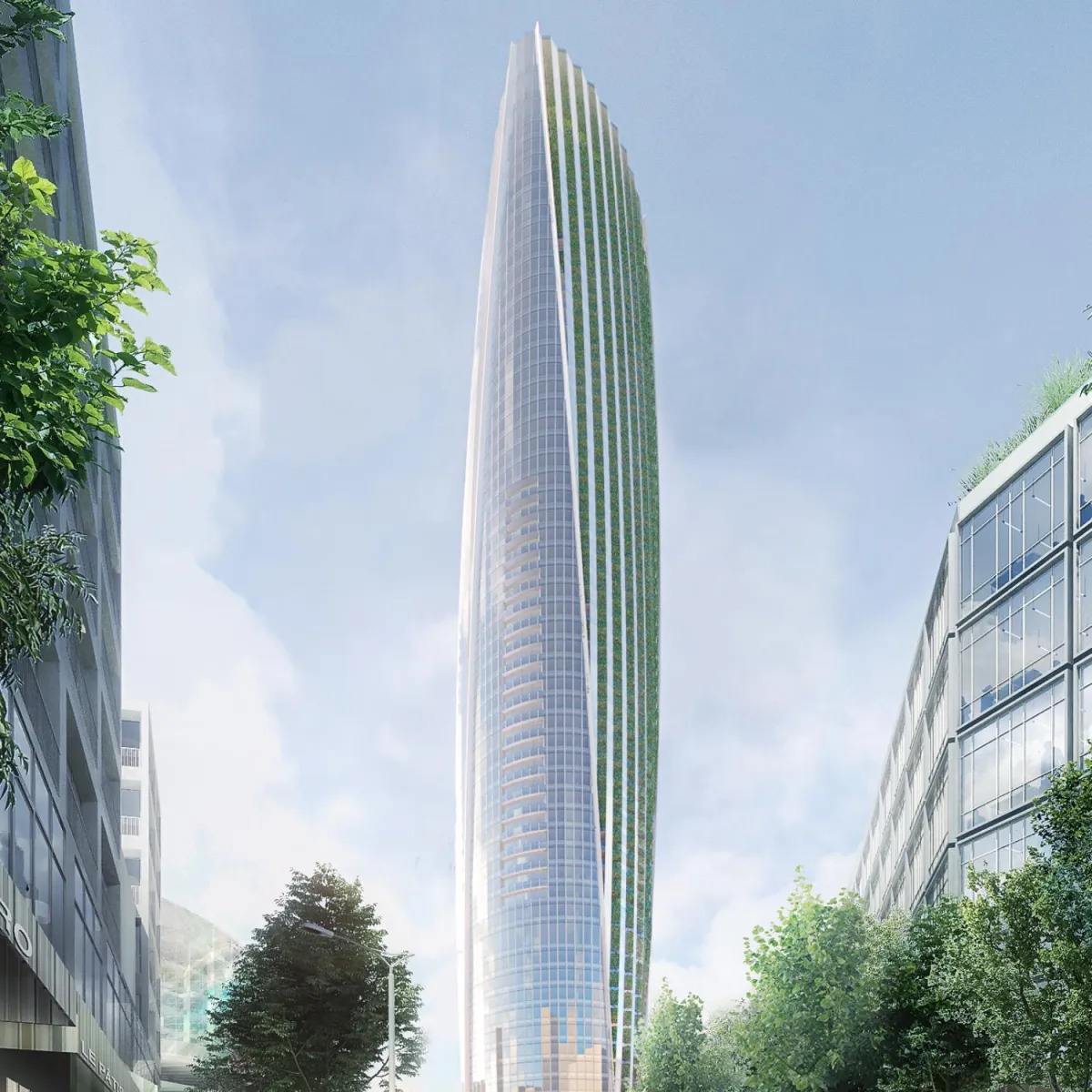
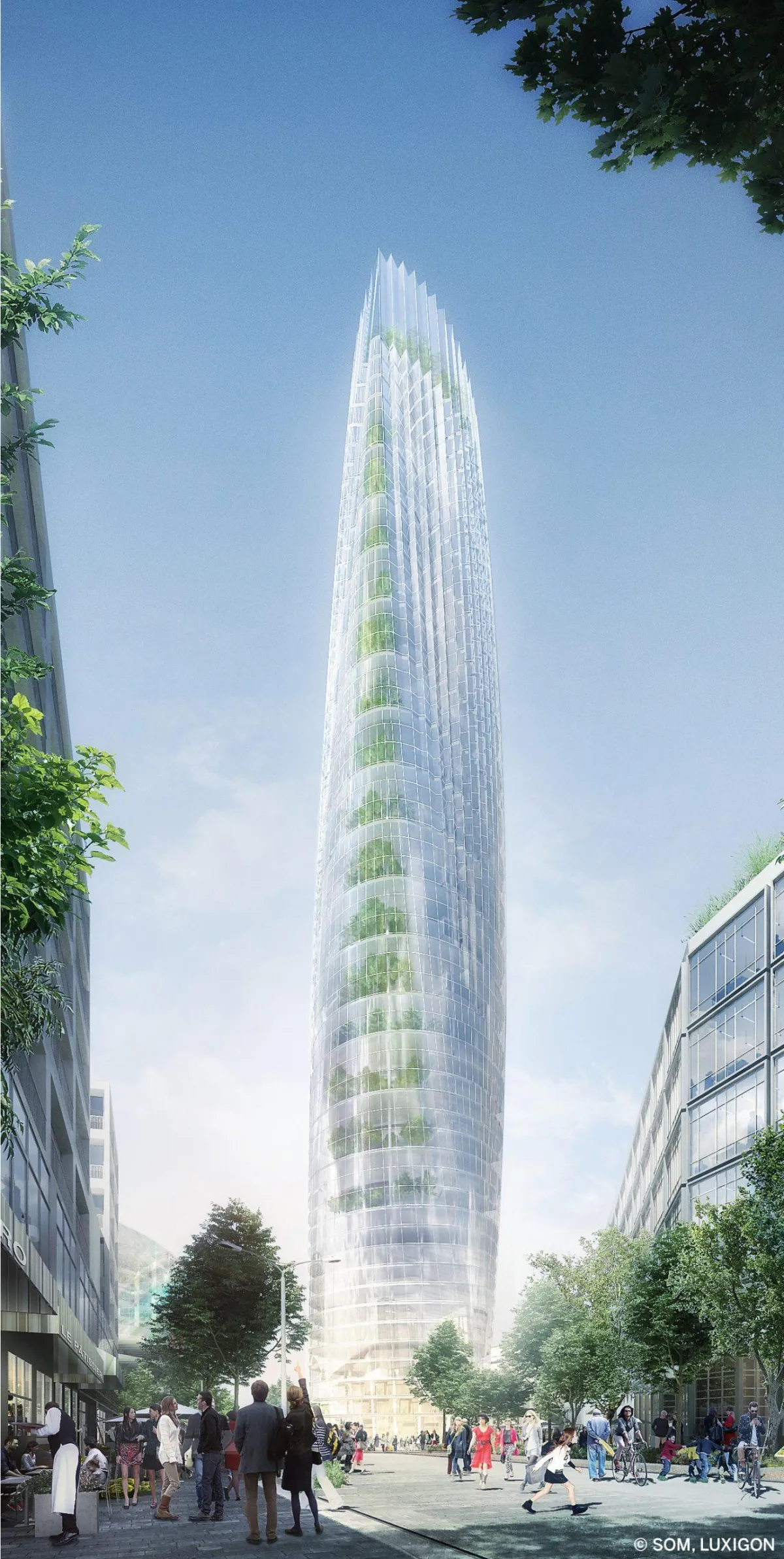
I worked together with the team to design the overall tower and optimize the geometry, exterior wall types, residential layouts, open spaces, and structure. I was responsible for helping the team build an integrated parametric model of the tower used to design and evaluate solutions for the overall configuration. This included customized scripting and the use of computational design tools.
Concept Development: This initial phase involved brainstorming sessions, preliminary sketches, and the basic formulation of the project vision. Working closely with a core team that included engineering, planning and environmental analysis.
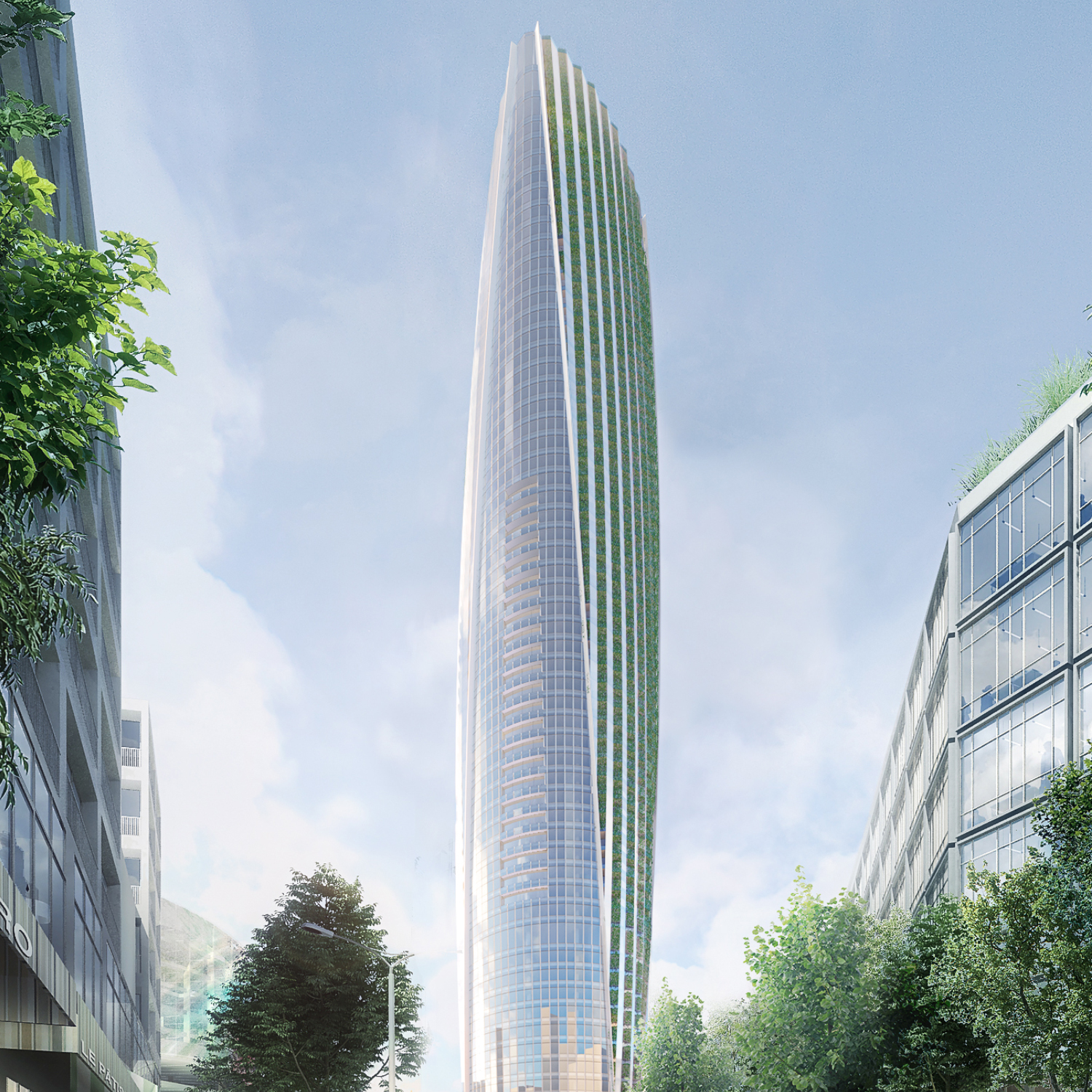
Parametric Modelling: I was responsible for building a parametric model, which started by defining basic geometric constraints and key parameters for the core, layouts and envelope. Parametric modelling helped the team refine the shape of the building by manipulating and altering predefined parameters, which was crucial in optimizing the tower’s geometry, structural system, and functionality.
Custom Scripting and Computational Design: This design process included advanced techniques like custom scripting and the use of computational design tools. Custom scripting probably involved building tools to automate certain aspects of the design process, enhance the parametric model’s capabilities, and solve complex geometrical problems. This approach allows for efficient exploration of multiple design scenarios, testing various configurations for aesthetics, functionality, and structural viability.
Design Optimization: With the parametric model, we focused on optimizing different elements such as: Tower Geometry: Adjusting the shape and size of the building to enhance structural integrity, aesthetic appeal, and environmental performance.
“Daniel Inocente Architecture brought clarity, creativity, and precision to our project. The result is a building that feels both timeless and perfectly suited to how we live.”
— Client Testimonial
Location:1411 Broadway New York, NY 10018
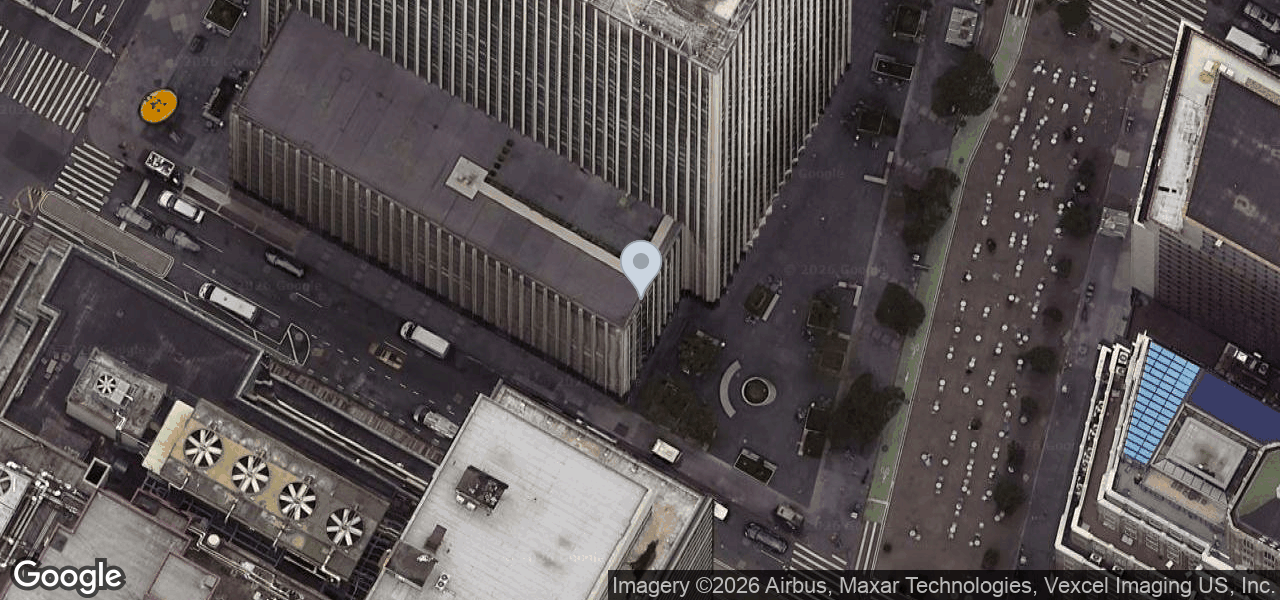
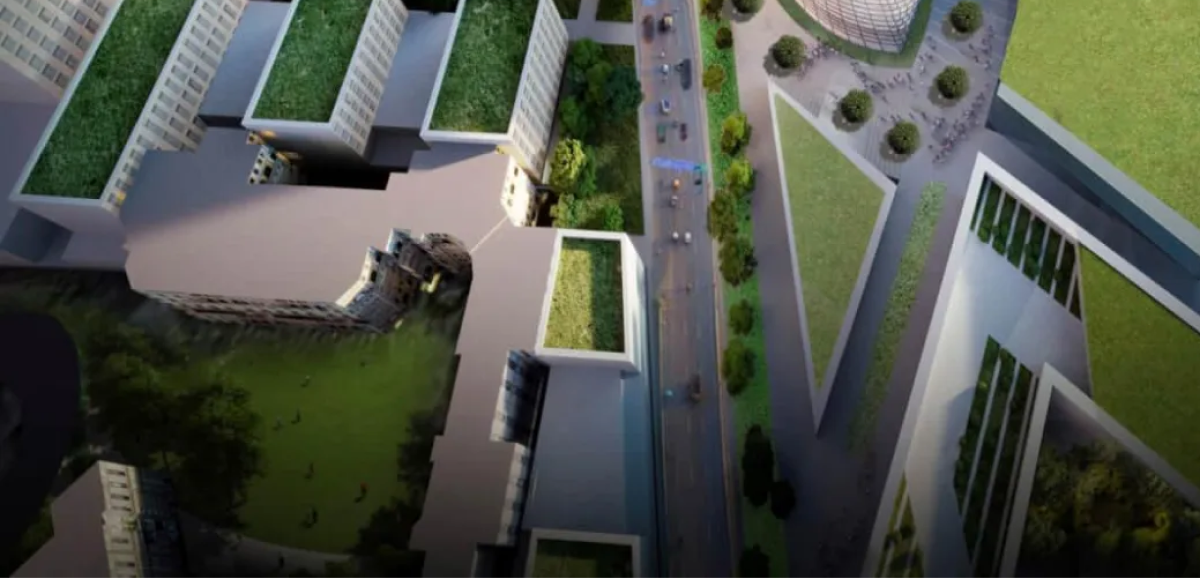
Exterior Wall Types: Selecting materials and designs for the facade that balance cost, performance, and visual impact. Residential Layouts: Arranging interior spaces to maximize usability, light exposure, and views for residents. Open Spaces: Integrating green spaces, terraces, and communal areas to improve the living quality and environmental sustainability of the high-rise.
Collaboration and Iteration: Throughout the process, collaboration with architects, engineers, sustainability consultants, and other stakeholders was essential.
My role involved presenting the evolving design updates, collecting feedback, and refining the model iteratively to address both creative and practical concerns.
Partner with us.
Join our team.
Newsletter
SOCIAL
PODCAST


SOCIAL
PODCAST
Daniel Inocente Architecture © 2026 | Terms | Privacy Policy