
Moon Village
LUNAR
Category
Space Architecture
Expertise
Human-Centered Space Habitats
Orbital & Planetary Infrastructure Concepts
Interior Architecture for Space Systems
Prototyping, Simulation & Testing
Visualization, Communication & Design Research
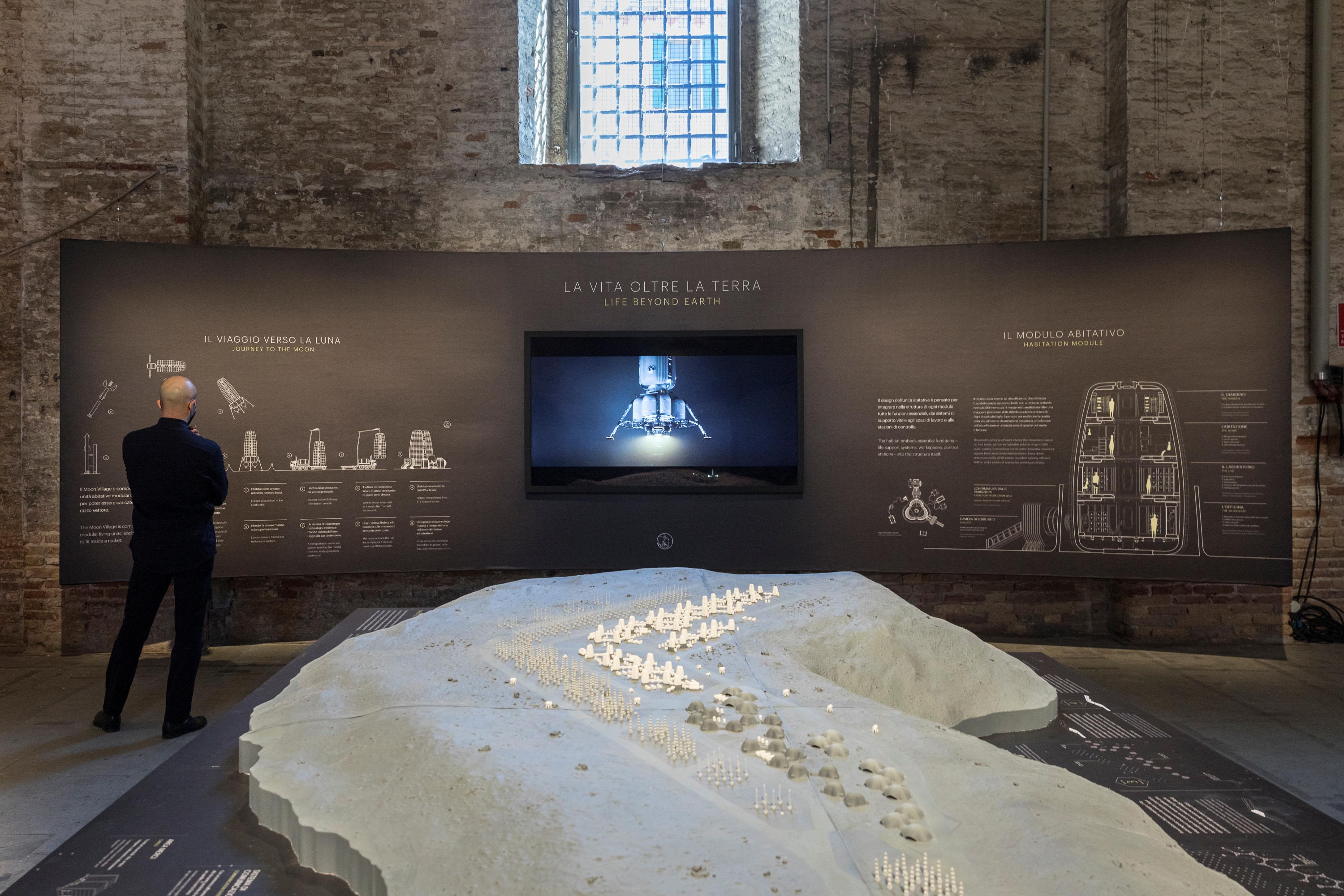
The Moon Village is a multidisciplinary collaboration with European Space Agency and Massachusetts Institute of Technology that explores resilient, self-sufficient architectural systems and mission concepts for a permanently inhabited lunar settlement through integrated space architecture, systems engineering, and global cooperation.
The Moon Village is a multidisciplinary collaboration with European Space Agency and Massachusetts Institute of Technology that explores resilient, self-sufficient architectural systems and mission concepts for a permanently inhabited lunar settlement through integrated space architecture, systems engineering, and global cooperation.
Category
Space Architecture
Expertise
Human-Centered Space Habitats
Orbital & Planetary Infrastructure Concepts
Interior Architecture for Space Systems
Prototyping, Simulation & Testing
Visualization, Communication & Design Research
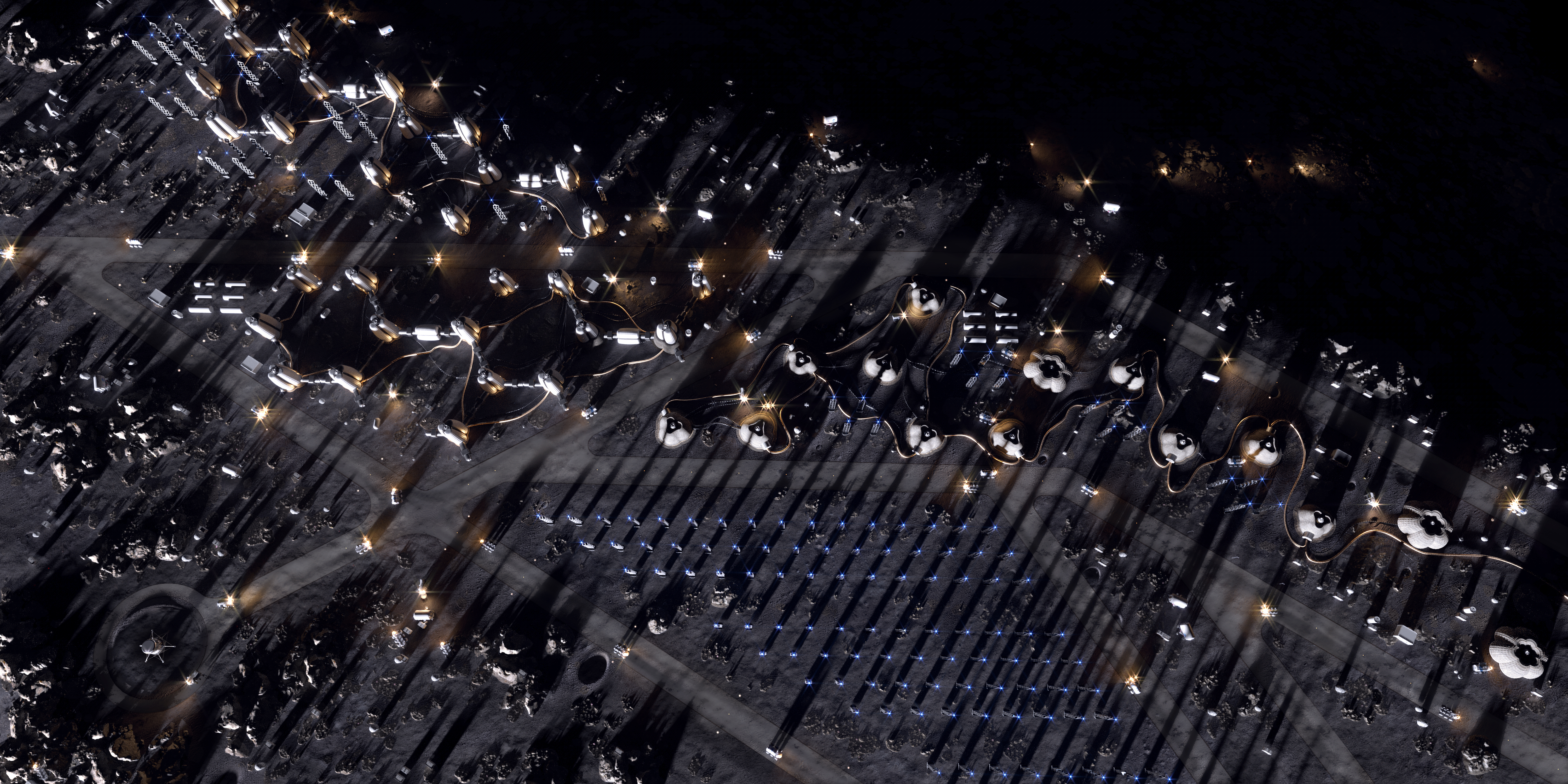
The Moon Village is a multidisciplinary research and design collaboration developed with the European Space Agency and faculty from the Department of Aeronautics and Astronautics at the Massachusetts Institute of Technology to explore pathways toward a permanent human presence on the Moon. The initiative is grounded in a vision articulated by ESA Director General Johann-Dietrich Wörner, proposing an open, non-prescriptive framework that encourages global cooperation among nations, industry, and academia to collectively advance sustainable lunar exploration architectures.
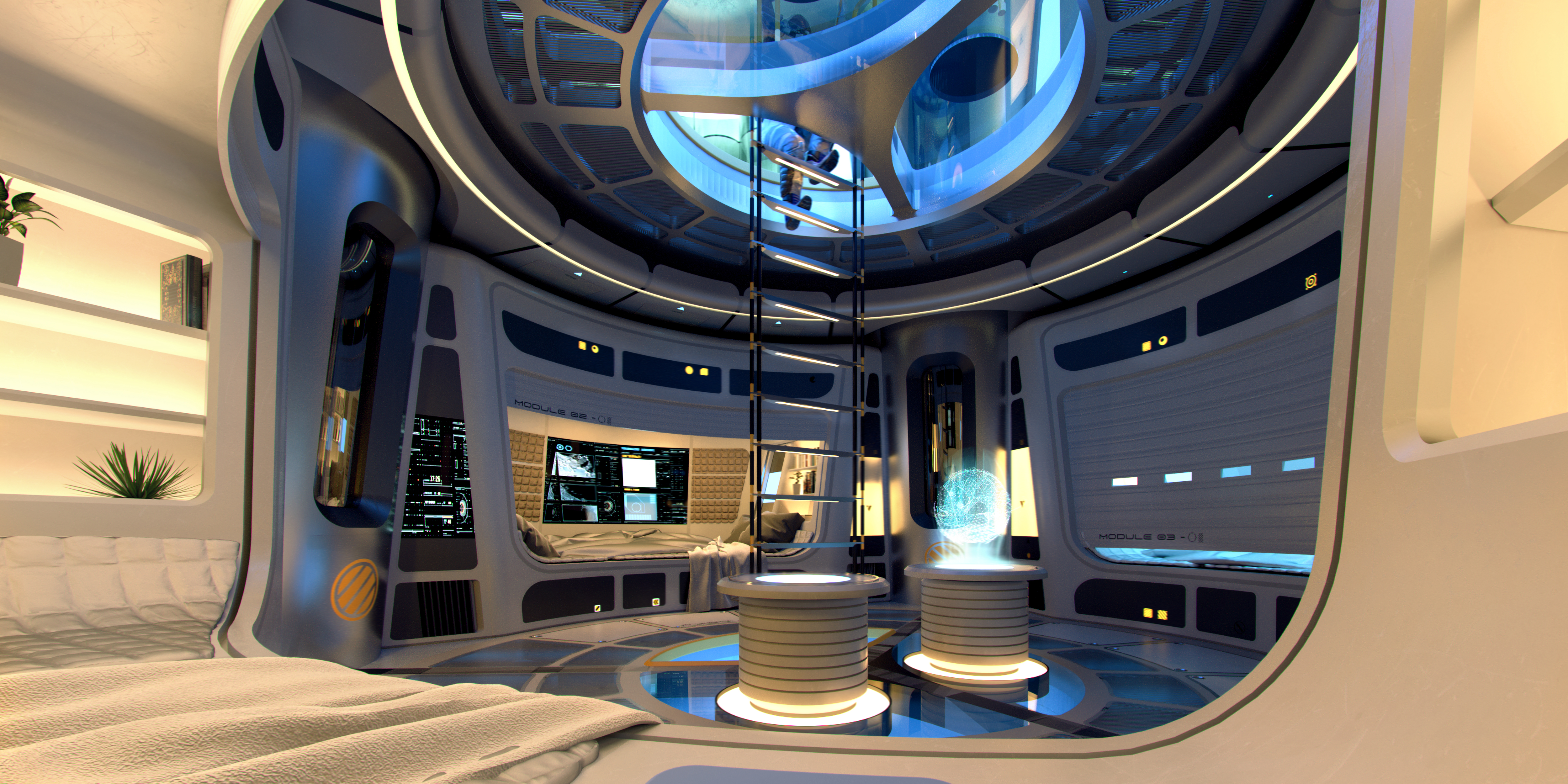
The project investigates near-term, deployable habitation strategies that prioritize resiliency, self-sufficiency, and adaptability in the lunar environment. Rather than treating architecture as a downstream outcome, the Moon Village positions spatial design as a driver of mission logic—integrating human factors, operational workflows, and technical systems into a cohesive whole. Early conceptual work demonstrated how multidisciplinary collaboration could produce realistic architectural responses to extreme environmental, logistical, and life-support constraints.

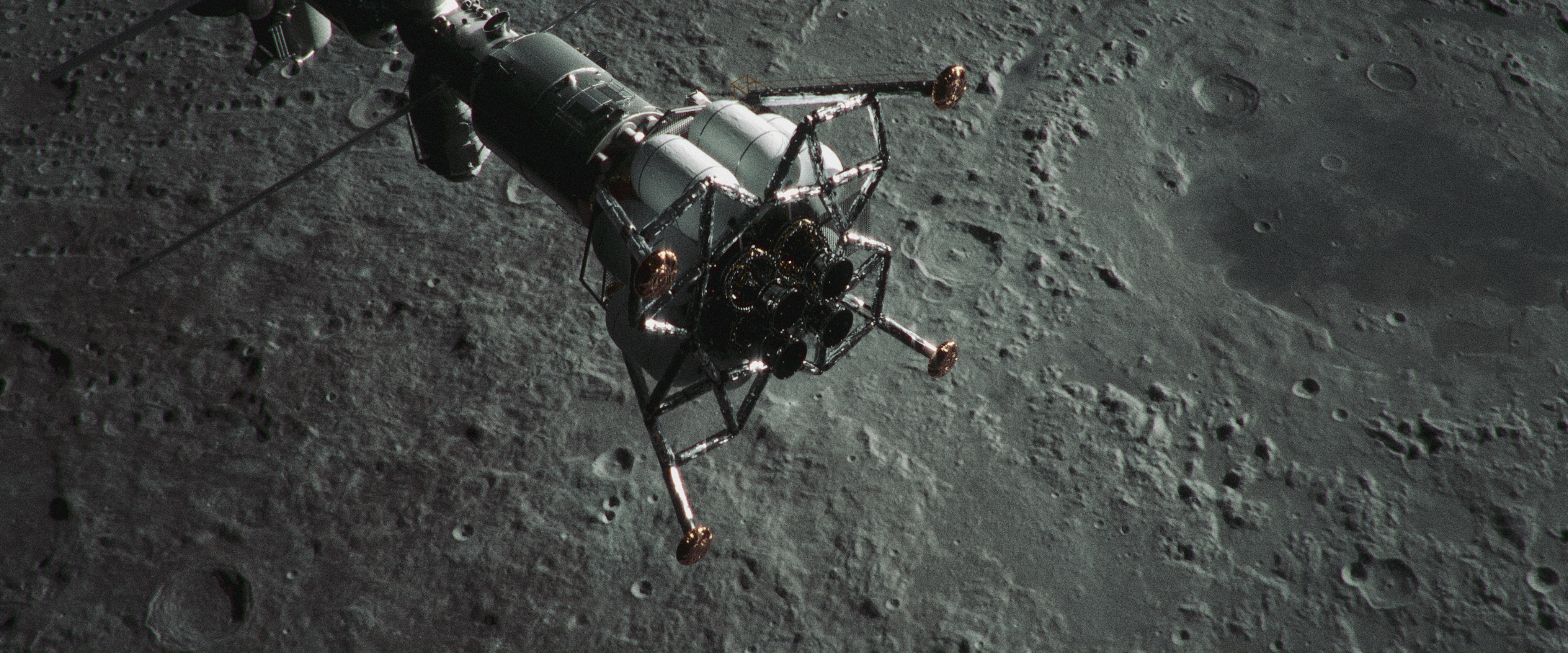
“This study is clearly looking into the future, beyond the horizon of currently planned lunar exploration activities”
— Client Testimonial

Location:1411 Broadway New York, NY 10018
A core element of the collaboration was a comprehensive study within ESA’s Concurrent Design Facility, where architectural concepts were developed in parallel with mission definition and systems engineering. Specialists across disciplines—including structures, thermal control, materials, radiation protection, power, life support, ISRU, safety, guidance and navigation, and mission architecture—worked together to evaluate integrated surface habitation solutions. This process enabled rapid iteration, validation against mission requirements, and exploration of alternative architectural methodologies for extraterrestrial environments.
As Space Architect, the role focused on establishing and leading the international partnership, defining mission constraints, and designing a vertical hybrid lunar habitat architecture centered on systems integration and human habitability. The work emphasized architecture as a coordinating discipline capable of aligning engineering performance with long-duration crew wellbeing. Through close collaboration with ESA engineers, scientists, astronauts, academic researchers, and industry partners, the Moon Village demonstrates how architectural thinking can shape feasible, scalable, and human-centered futures for lunar exploration.
Moon Village is not a single project, nor a fixed plan with a defined time table. It’s a vision for an open architecture and an international community initiative.

Partner with us.
Join our team.
Newsletter
SOCIAL
PODCAST


SOCIAL
PODCAST
Daniel Inocente Architecture © 2026 | Terms | Privacy Policy