
Guiyang World Trade Center.
Guiyang, Guizhou, China
Category
Commercial
Expertise
Office & Workplace Design
Retail & Commercial Interiors
Flexible & Adaptive-Use Spaces
Building Systems & Code Coordination
Tenant Fit-Outs & Phased Development
Construction Documentation & Delivery
Guiyang World Trade Center is a major mixed-use development designed to support the city’s growing role as a commercial and urban hub.
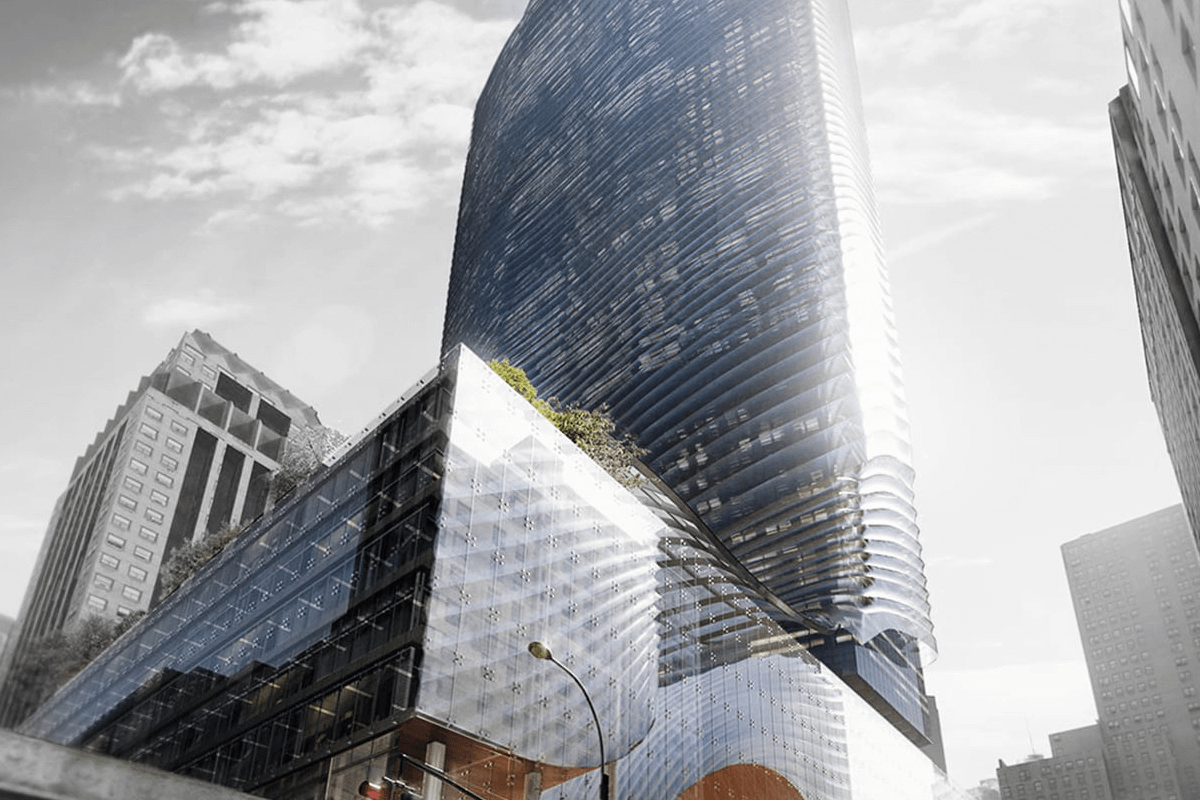
The East River Park Center: A Sustainable Vision for Urban Architecture The East River Park Center is a visionary concept situated in the Upper East Side of New York, near the iconic United Nations Building.
Category
Commercial
Expertise
Office & Workplace Design
Retail & Commercial Interiors
Flexible & Adaptive-Use Spaces
Building Systems & Code Coordination
Tenant Fit-Outs & Phased Development
Construction Documentation & Delivery
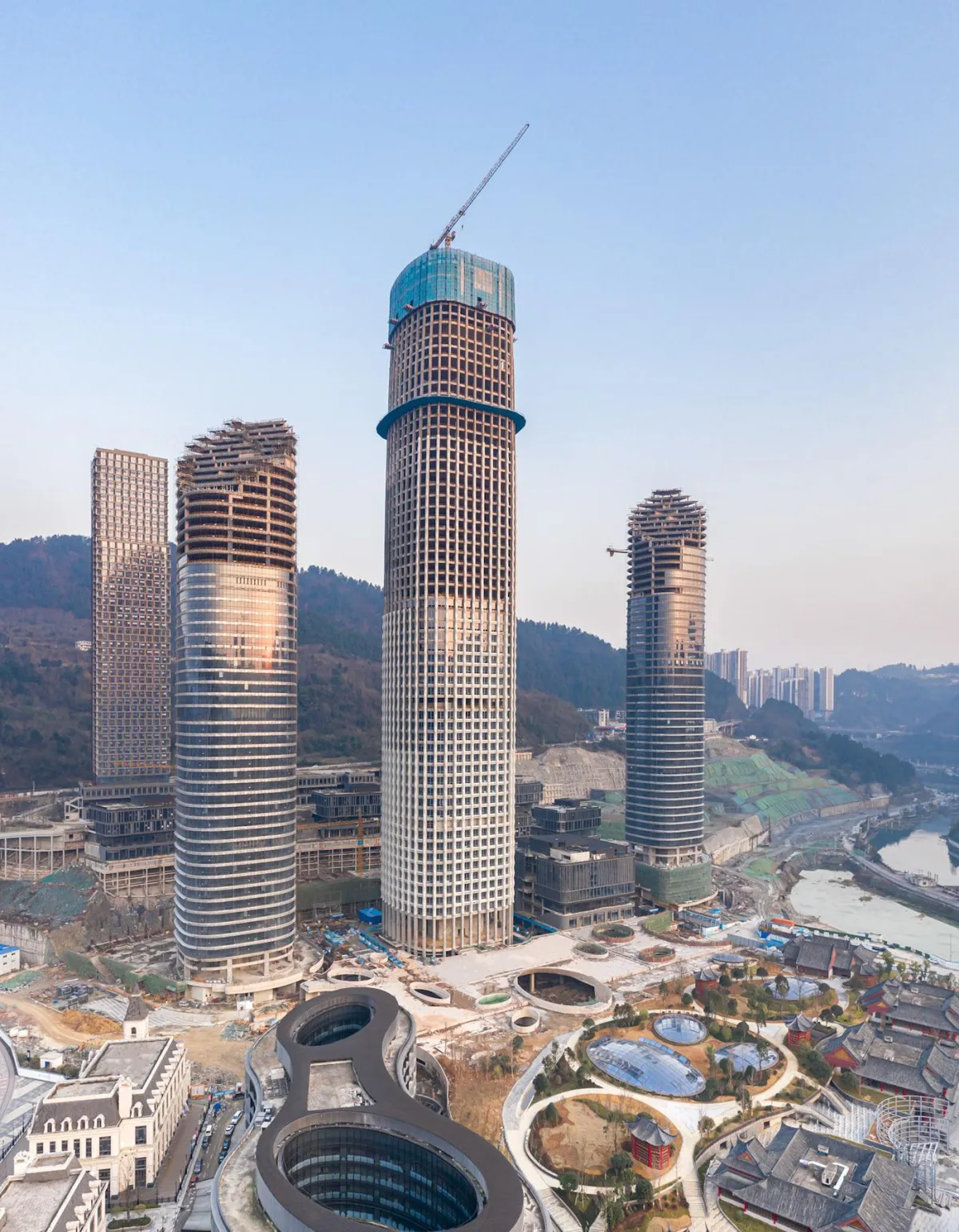
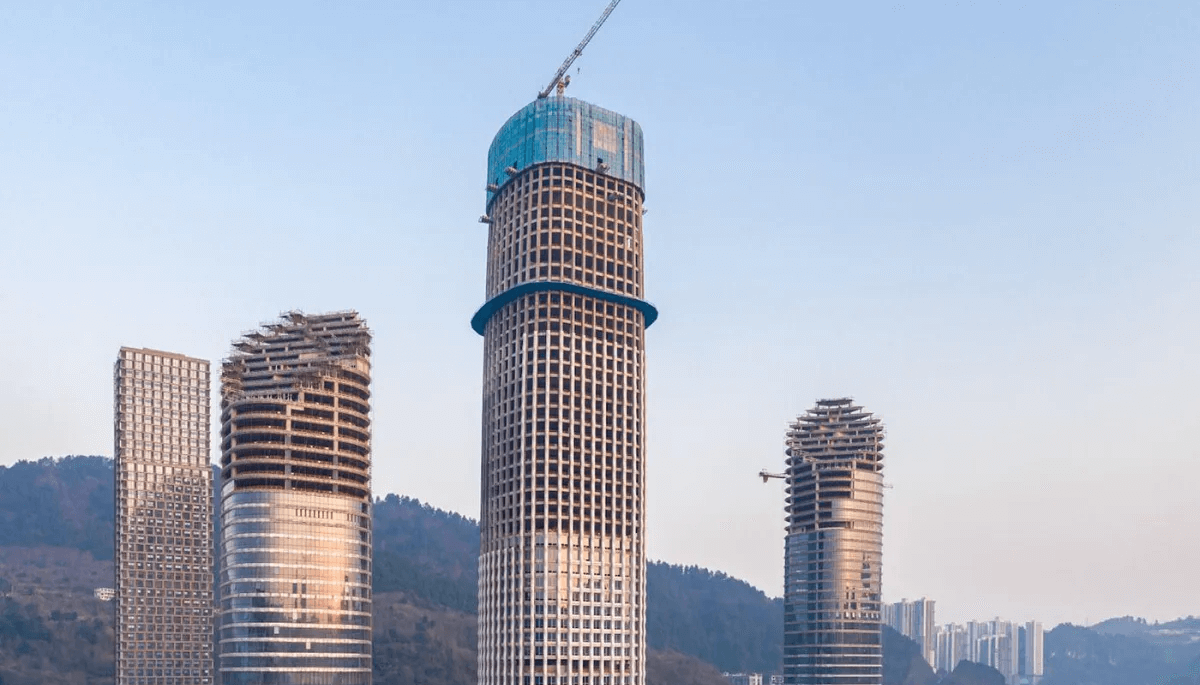
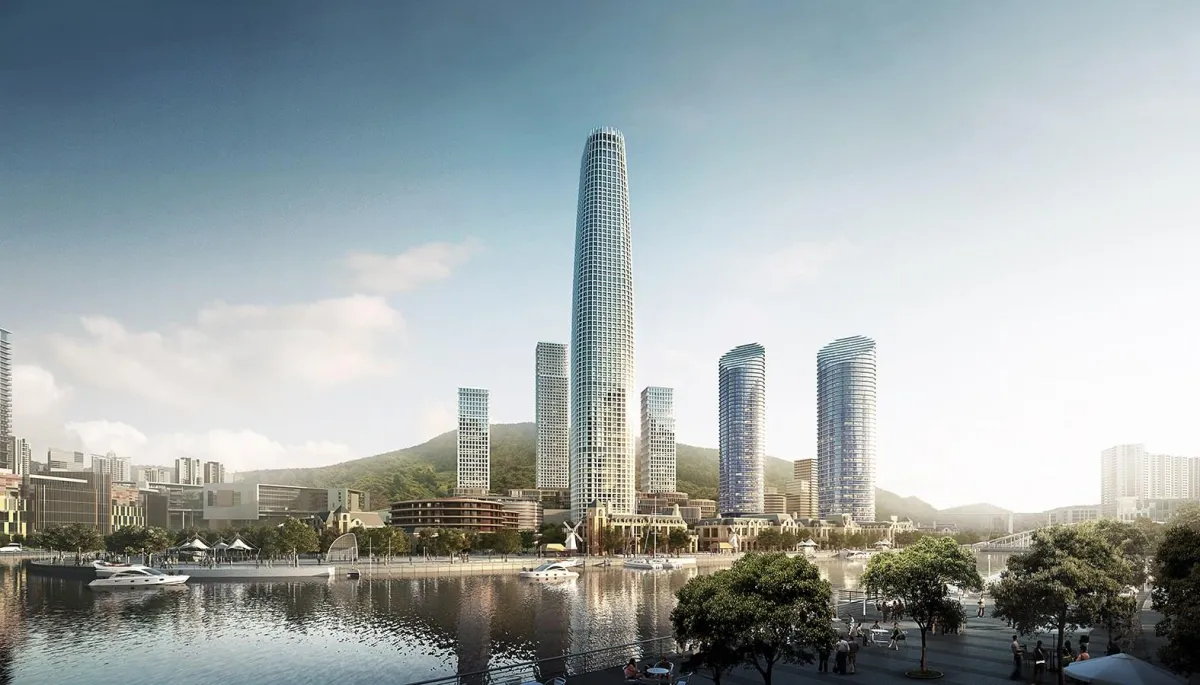
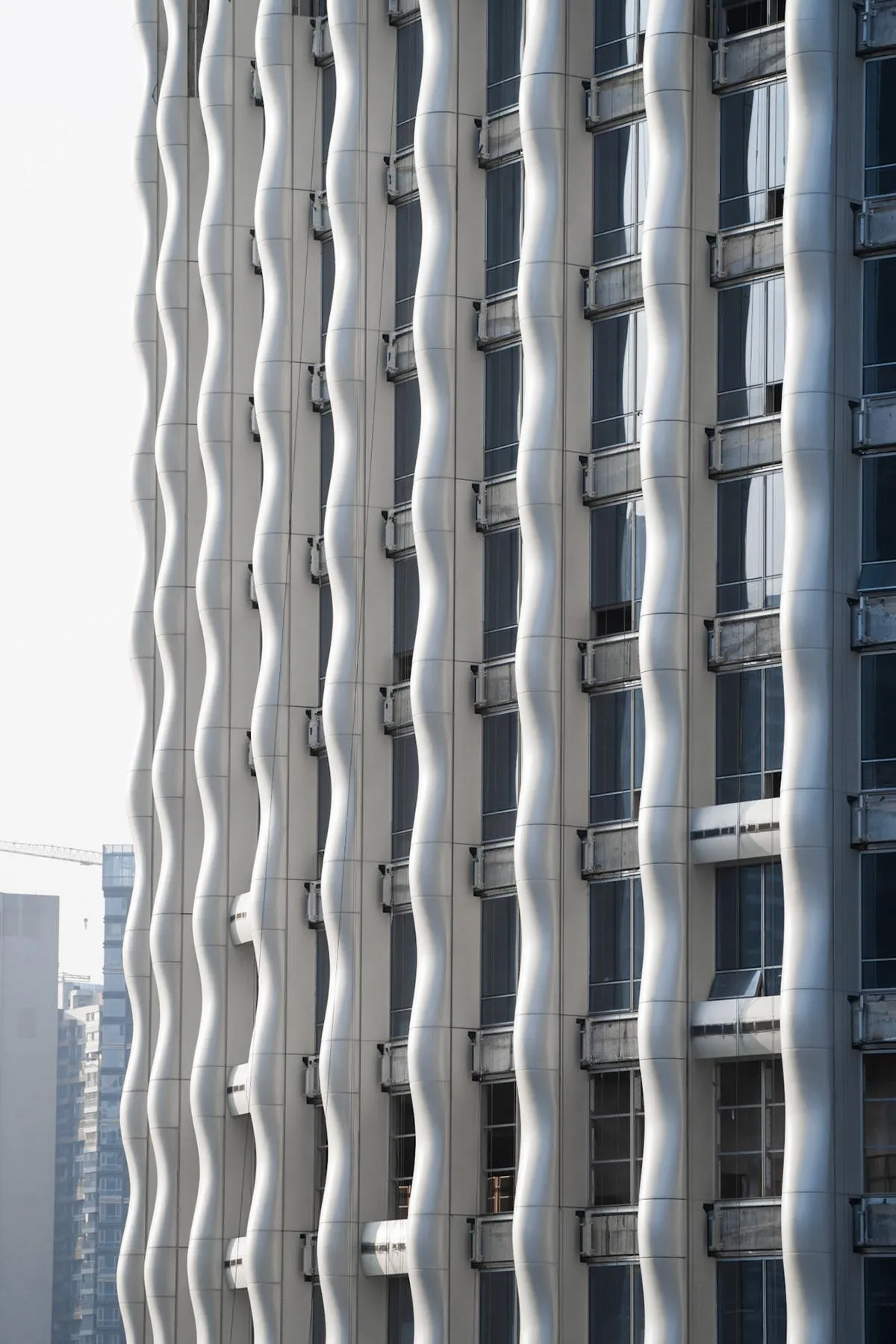
Perched between the lush hills and the flowing Nanming River, the Guiyang World Trade Center reimagines riverside living and working as an integrated experience. Anchored by a soaring 380-meter mixed-use tower—blending office functions with a hotel—the development unfolds into a vibrant pedestrian-friendly landscape. Retail, flexible SOHO spaces, and public amenities weave through terraced building forms that echo Guiyang’s mountain village typology.
Seamless connections—via bridges, promenades, and open plazas—link the hill, riverfront, and civic realm, cultivating a dynamic environment that is both iconic and contextually rooted.
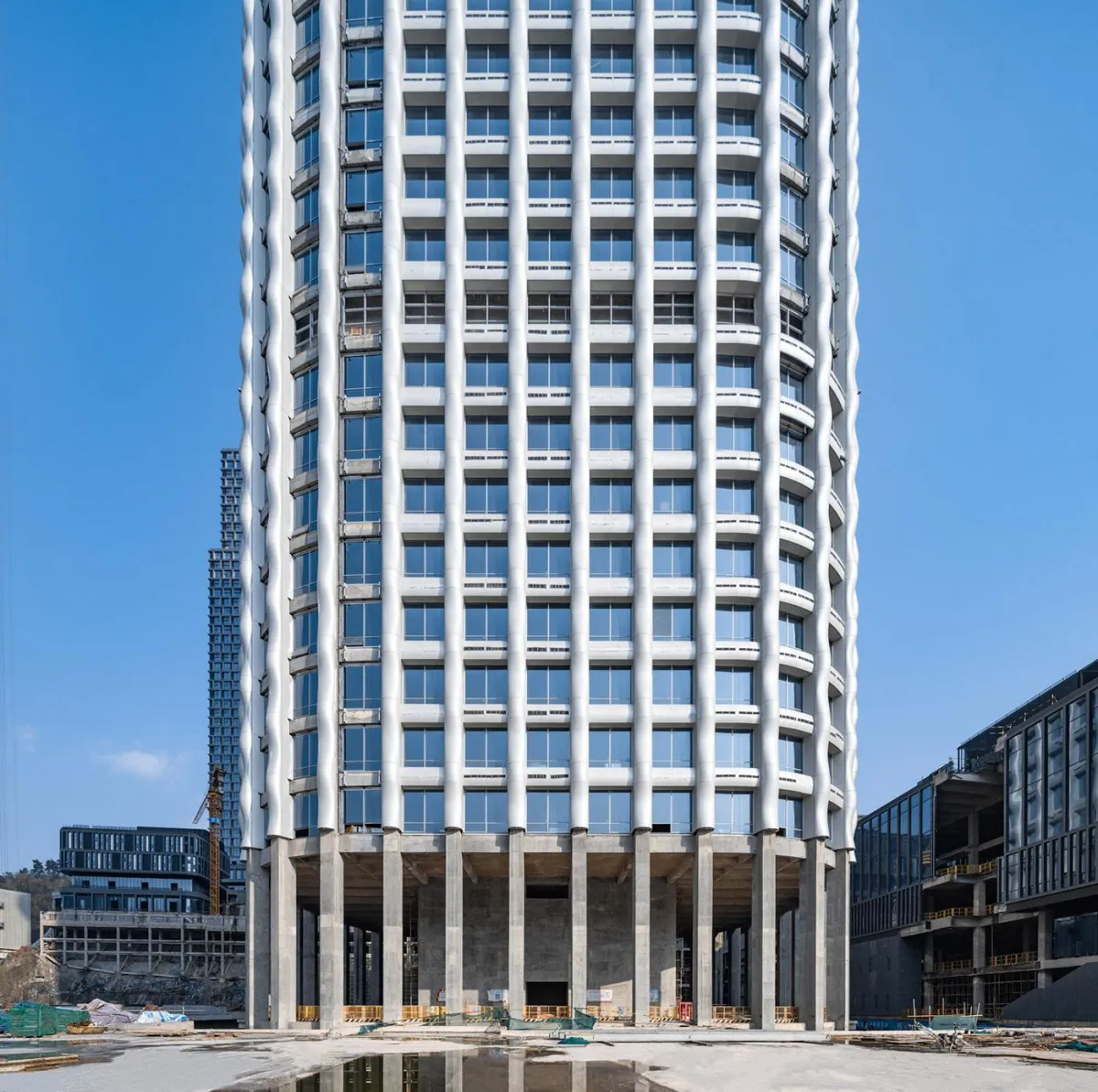
Guiyang World Trade Center is a landmark tower developed as part of a larger master plan of high-rise and low-rise buildings, organized around public spaces that connect the project to the surrounding natural landscape. The tower’s design combines a strong urban presence with a highly articulated exterior envelope, using advanced facade geometry to support both architectural expression and constructability. The project reflects a coordinated approach to high-rise design, documentation, and fabrication, where the exterior form was carefully developed through detailed 3D modeling, geometric optimization, and close coordination with manufacturing requirements.
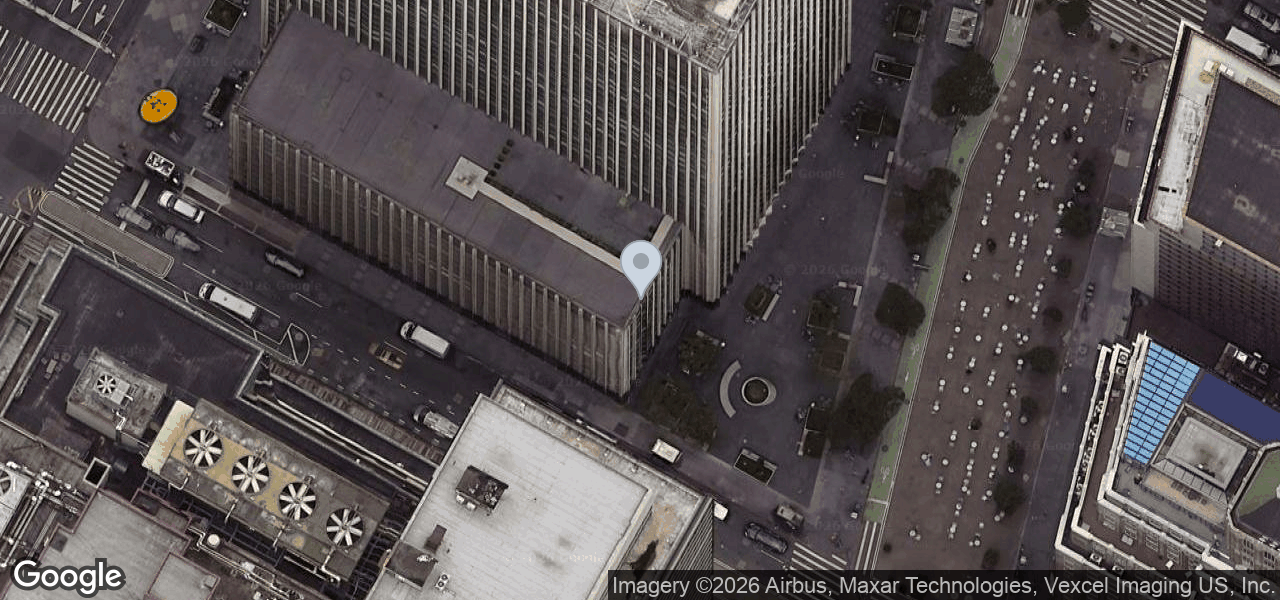
Location:1411 Broadway New York, NY 10018
Design
Guiyang World Trade Center is a supertall skyscraper rising more than 380 meters across 79 stories. The tower’s form is shaped by a refined geometric strategy that balances structural performance, floor plate efficiency, and programmatic flexibility. Its expressed perimeter frame is wrapped in a complex facade system of approximately 30,300 panels, including planar, singly curved, and doubly curved elements.
The project required an advanced digital design process to rationalize the tower’s geometry and support fabrication at scale. Through computational modeling, geometric optimization, and detailed facade coordination, the design team translated a highly complex exterior form into a precise digital model that could guide documentation, manufacturing, and construction.
The tower’s complex facade was developed through a rule-based digital design process, where design surfaces and structural nodes informed the geometry of each component. Continuous doubly curved surfaces were carefully subdivided into discrete facade panels, allowing tangent relationships, fabrication logic, and system-level coordination to be controlled with precision across the entire building envelope.
This process allowed for the final fabrication panels to maintain intended surface curvatures and the tangencies to the original design surfaces.
“Daniel Inocente Architecture brought clarity, creativity, and precision to our project. The result is a building that feels both timeless and perfectly suited to how we live.”
— Client Testimonial
Partner with us.
Join our team.
Newsletter
SOCIAL
PODCAST


SOCIAL
PODCAST
Daniel Inocente Architecture © 2026 | Terms | Privacy Policy